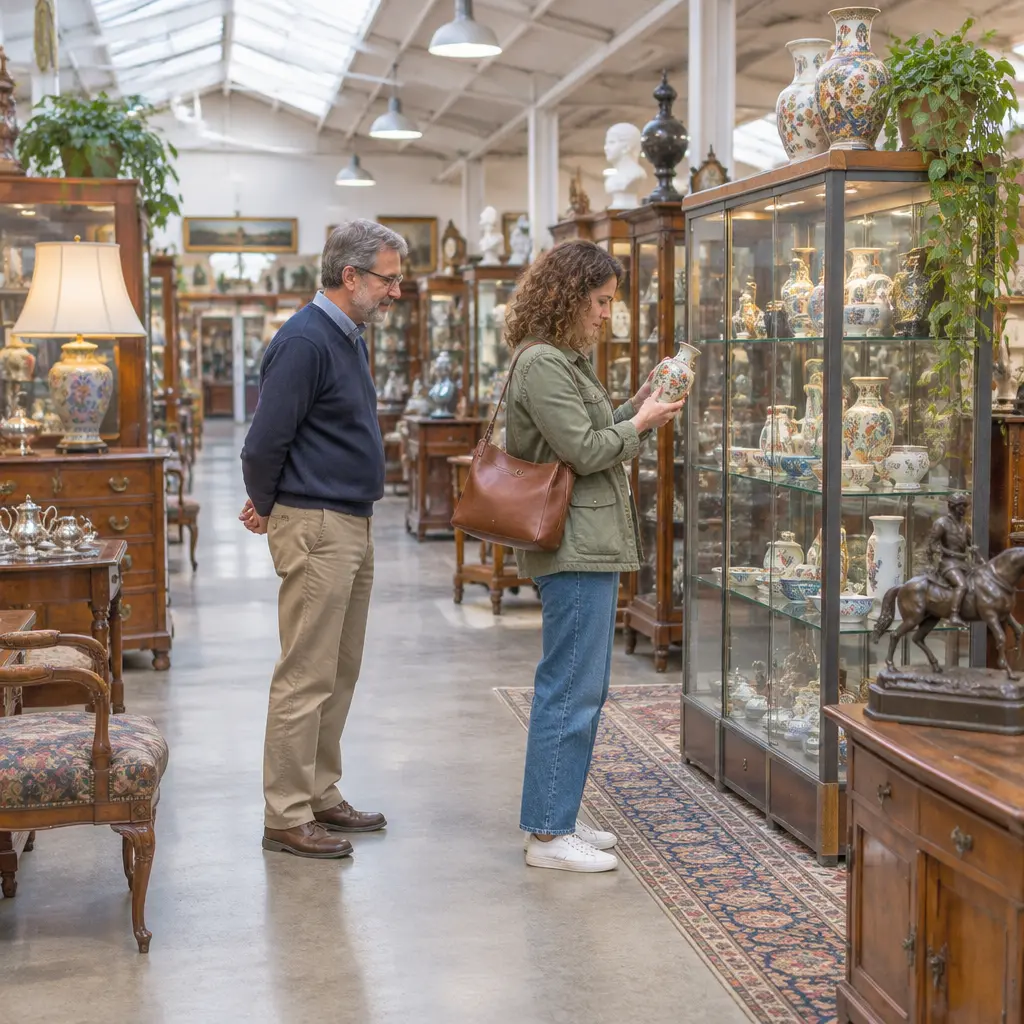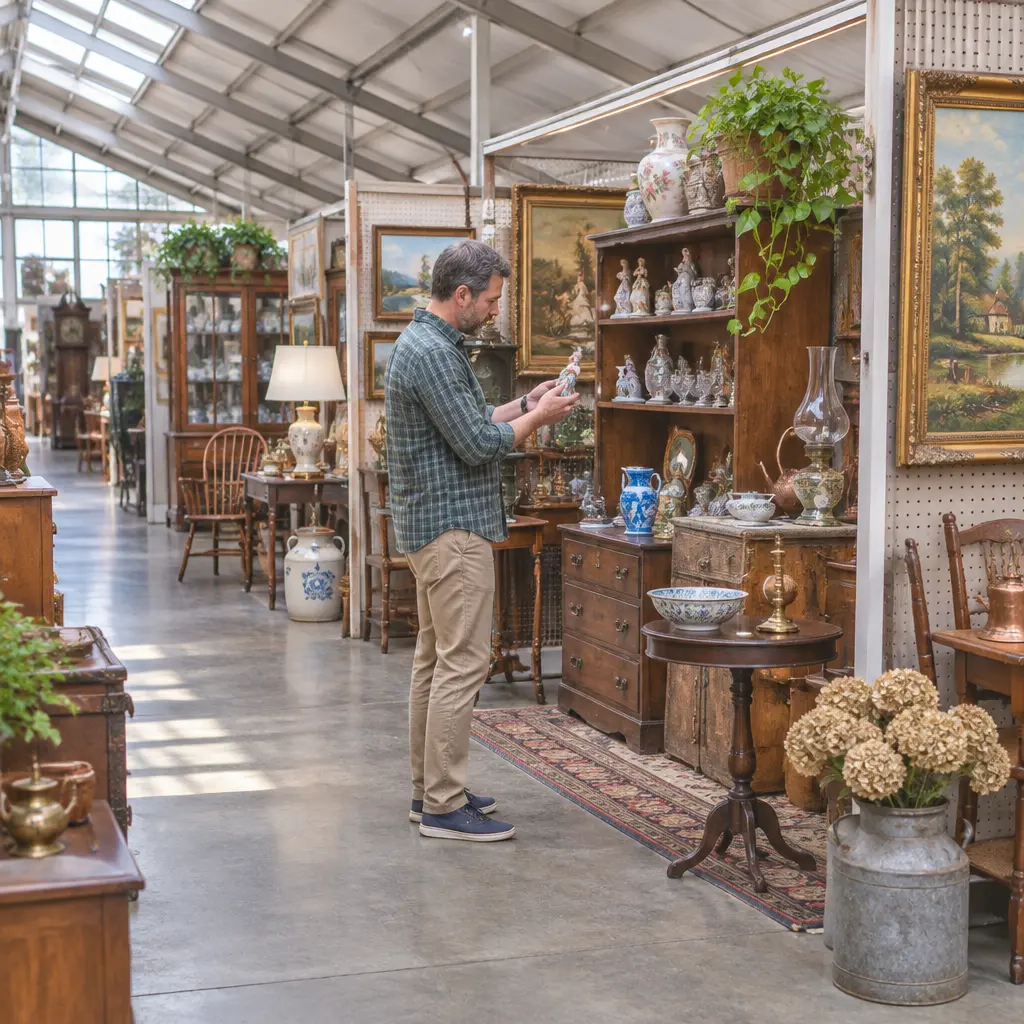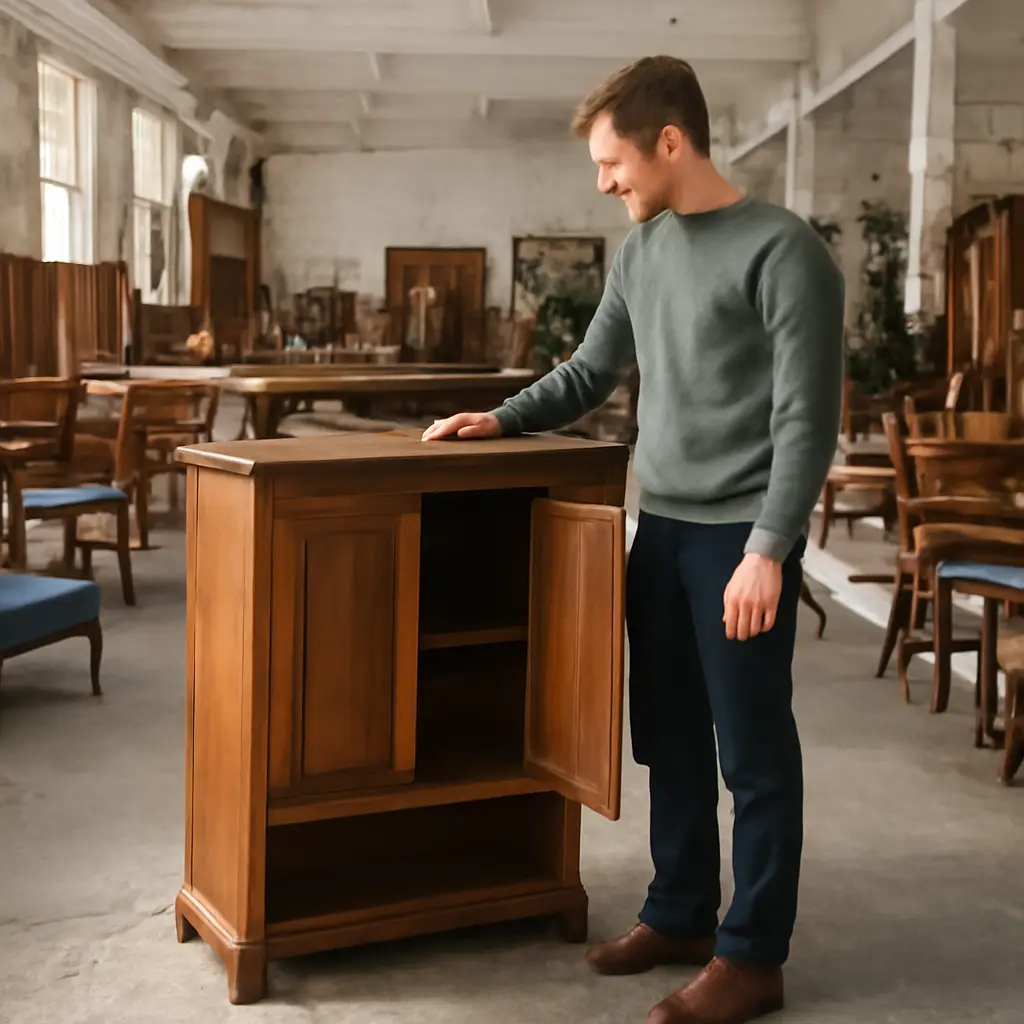
Vintage furniture shopping can feel like decoding a different language: “vintage,” “antique,” “mid-century,” and “restored” each imply different ages, styles, and conditions. In U.S. antiques trade usage, an antique is generally at least 100 years old, while “vintage” has no single legal age threshold. A few practical checks make the search easier: identify the style and likely era, inspect construction and condition, compare prices, and plan for transport and care. These steps matter beyond aesthetics: the U.S. Environmental Protection Agency estimates that Americans generated 12.1 million tons of furniture and furnishings in 2018, with 80.1% landfilled, so choosing durable, reusable pieces can help keep furniture in use longer.
Vintage furniture shopping starts with a clear definition
“Vintage furniture” usually means previously owned furniture associated with a recognizable period or design style. Unlike the term “antique,” it has no universally enforced age definition. The U.S. Customs and Border Protection rule for qualifying antiques uses a 100-year threshold, but that rule concerns customs classification—not a universal definition for shops, collectors, or buyers. In everyday retail, “vintage” may describe furniture from the mid-20th century or another earlier era, so ask the seller what they mean and request an approximate date.
Vintage, antique, and retro are not interchangeable
An antique is conventionally at least 100 years old; vintage generally refers to older goods valued for their period character, without a fixed cutoff; and retro describes newer furniture designed to evoke an earlier style. These labels are useful clues, not proof of age or authenticity. A 1960s-style reproduction, for example, may look like a period piece without having been made in the 1960s. Ask for a maker, label, receipt, or other provenance if age affects the price you are willing to pay.
Period and style narrow the search
Common search categories include Victorian, Art Deco, mid-century modern, and postmodern furniture. These styles have recognizable design features, but style alone cannot establish when an item was made. A seller’s date estimate should be supported where possible by construction details, hardware, labels, or documented ownership. As a practical first step, save examples of the silhouettes, materials, and dimensions you like; this makes it easier to compare listings without treating every old-looking piece as the same kind of furniture.
Vintage furniture condition determines what you are really buying
Condition describes how well a piece functions and what repairs or alterations it has undergone. It affects safety, usefulness, appearance, and cost. The Federal Trade Commission’s guidance for buying used products recommends checking an item carefully and asking about known problems; that principle is especially useful for furniture, where damage may be hidden beneath upholstery, drawers, or a fresh coat of finish. Evaluate the structure first, then the surface and any restoration.
Structural checks reveal costly problems
Inspect legs, stretchers, joints, drawer runners, backs, and supports. Gently test for wobbling, loose joints, sticking drawers, or doors that will not close. Look for water stains, musty odors, insect activity, cracked wood, and signs of previous repairs. On upholstered pieces, check the frame and springs as well as fabric; attractive upholstery cannot compensate for a weak frame. Ask whether the item has been exposed to smoke, pets, flooding, or pests, and request a clear explanation of any repairs.
Original, restored, and refinished describe different histories
“Original” generally suggests that major materials and finishes have not been substantially changed, while “restored” means work has been done to improve or return the piece to a usable or earlier appearance. “Refinished” usually refers specifically to the removal or replacement of a surface finish. These terms are not always used consistently by sellers. Ask what was changed, when the work was done, and whether the seller has photographs or receipts. A careful repair can improve function, but extensive alterations may affect collector interest and value.
Vintage furniture prices make more sense with comparisons
A listing price is an asking price, not proof of market value. Price depends on maker, design, condition, rarity, materials, provenance, location, and the cost of moving or repairing the item. The American Society of Appraisers advises that appraisal value depends on the purpose and type of appraisal; an insurance replacement estimate, for instance, is not necessarily the same as a likely resale price. For ordinary purchases, compare similar pieces and use the differences in condition and delivery costs to judge whether a price is reasonable.
Compare like with like
Search for completed sales or credible listings of the same maker, model, material, and approximate era—not simply furniture that looks similar. Record the condition, whether the item was restored, and whether shipping or delivery was included. If you cannot find an exact match, compare several close examples rather than relying on one unusually high listing. For signed or high-value furniture, consider a qualified independent appraiser; for a modest everyday purchase, a documented comparison of recent sales may be enough.
Build repair and transport into the budget
The purchase price is only part of the cost. Include delivery, stairs or difficult access, cleaning, replacement hardware, upholstery, and professional repairs. Before committing, measure the furniture and the route into your home: doorways, hallways, stair turns, and elevator openings can all be limiting. Ask the seller to confirm the item’s dimensions and whether delivery includes carrying it inside. A lower-priced piece that needs major work or specialized transport may cost more overall than a ready-to-use alternative.
Vintage furniture shopping works best with a repeatable inspection
A consistent process helps shoppers compare items across antique stores, estate sales, online marketplaces, and auction listings. The goal is not to become an expert in every design period; it is to gather enough reliable information to make a sound decision. Request additional photographs for online purchases, and inspect in person whenever possible before paying a substantial amount.
Use a five-step buying checklist
- Define the purpose, preferred style, maximum dimensions, and total budget.
- Ask the seller for the maker, estimated date, materials, provenance, and repair history.
- Inspect the frame, joints, hardware, drawers, finish, upholstery, and signs of pests or moisture.
- Compare similar pieces and add estimated delivery, cleaning, and repair costs.
- Confirm payment terms, return policy, pickup arrangements, and the item’s condition in writing.
Check online listings before arranging pickup
For online listings, request photographs of the underside, back, joints, labels, damaged areas, and any maker’s marks. Ask for exact dimensions rather than relying on a photo for scale. Clarify whether the seller accepts returns and what happens if the item differs materially from its description. Keep messages and payment records. The Federal Trade Commission notes that protections can differ depending on how and from whom a used item is purchased, so review the platform’s policies and use payment methods with appropriate safeguards.
Vintage furniture reuse has environmental value
Buying used furniture can extend the life of an existing product and avoid the immediate need to manufacture a replacement, although the actual environmental benefit depends on factors such as transport, repairs, and how long the item remains in use. The U.S. EPA’s 2018 figures show that furniture and furnishings accounted for 12.1 million tons of municipal solid waste; 80.1% was landfilled, 19.5% combusted with energy recovery, and 0.4% recycled. These figures describe the U.S. waste stream in 2018, not the impact of any individual purchase, but they highlight why durability and reuse are relevant considerations.
Choose durable pieces and repair thoughtfully
A reused item is most useful when it suits your needs and can remain in service. Favor sound construction, parts that can be repaired, and finishes appropriate to how the furniture will be used. Avoid discarding a functional piece solely because of minor cosmetic wear; cleaning, tightening joints, or replacing a small component may be sufficient. If work is needed, ask a repair professional about material compatibility and safe methods, especially before sanding or stripping an old finish.
Conclusion: make vintage furniture shopping less overwhelming
Vintage furniture shopping becomes easier when shoppers separate the terms, assess condition, compare realistic prices, and plan for delivery and repairs. “Vintage” is not a precise age guarantee, so verify a seller’s claims; inspect the structure before judging the finish; and weigh the full cost rather than the sticker price alone. With a clear checklist, you can find furniture that fits your home, budget, and priorities while supporting reuse. Start by measuring your space, saving a few style references, and comparing several pieces before you buy.
Sources: U.S. Customs and Border Protection, 19 CFR § 12.104, Antiquities; https://www.ecfr.gov/current/title-19/section-12.104; U.S. Environmental Protection Agency, Facts and Figures about Materials, Waste and Recycling: Durable Goods—Furniture and Furnishings, https://www.epa.gov/facts-and-figures-about-materials-waste-and-recycling/durable-goods-product-specific-data; Federal Trade Commission, Buying Used Products, https://consumer.ftc.gov/articles/buying-used-products; American Society of Appraisers, Appraisal Services, https://www.appraisers.org/valuation-professionals/appraisal-services