Antique shopping is the process of finding and buying objects valued for their age, craftsmanship, design, rarity, or historical interest. To avoid overpaying, identify what you want, compare prices for genuinely comparable pieces, inspect condition and authenticity, and set a firm all-in budget before negotiating. These steps matter in a market where the word “antique” is often used loosely: in the United States, the tariff definition generally requires an article to be at least 100 years old, while dealers and marketplaces may use the term more casually. Understanding that distinction—and checking provenance, restoration, and resale costs—helps turn browsing into an informed purchase.
Antique shopping value depends on identifying the object
An antique’s value is not simply its age. The U.S. International Trade Commission describes antiques for tariff purposes as articles more than 100 years old; that legal threshold does not certify an object’s authenticity or guarantee a high price. In the marketplace, value typically reflects a combination of age, maker, rarity, condition, quality, provenance, and buyer demand. A common item in worn condition may be inexpensive, while a well-documented example by a sought-after maker can command a premium.
For shoppers, the practical categories include furniture, ceramics, glass, metalwork, textiles, jewelry, books, and decorative objects. Each has different condition risks and comparison points. A furniture buyer should look for structural repairs and replaced parts; a ceramics buyer should check for chips, cracks, and restoration; and a jewelry buyer should verify materials, marks, and construction. Start by narrowing your interest to a category, period, or use so you can compare like with like.
Age, style, and maker
Attribution is the process of estimating when, where, and by whom an object was made. Labels, signatures, stamps, construction methods, materials, and design details can all help, but none is conclusive by itself. For example, a maker’s mark may have been copied, added later, or used across a long period. Compare the mark with reliable reference books, museum collections, auction catalogues, or specialist advice rather than treating a label as proof.
Style can guide research but can also mislead: later reproductions may imitate earlier forms. Look at how an object is assembled as well as how it looks. Machine-cut joints, modern fasteners, synthetic materials, or uniform production details may point to a later date, though restoration and historical manufacturing variation complicate the assessment.
Condition, originality, and restoration
Condition describes an object’s physical state; originality refers to how much of its original material and finish remains. Wear consistent with age can be acceptable, but concealed damage or extensive restoration may affect both value and durability. Inspect the item in good light, including its underside, back, joints, interior, and edges. Ask directly about repairs, replaced components, refinishing, repainting, and restoration, and get important disclosures in writing.
Do not assume that “old” means fragile or that every repair ruins value. A professional repair may preserve an object’s function, while an undisclosed repair can make a price misleading. The right question is whether the condition suits your intended use and whether the asking price reflects it.
Antique price research prevents overpayment
Price research means comparing the asking price with evidence from similar objects, especially completed sales rather than optimistic listings. The Federal Trade Commission’s consumer guidance encourages shoppers to compare prices and understand the terms of a purchase; the same habit is useful in antiques, where an asking price is only a seller’s proposal. Search by maker, material, period, dimensions, condition, and distinctive features. A superficially similar item may not be a fair comparison if it is a reproduction, has different provenance, or is in substantially better condition.
Use comparable sales, not just asking prices
A comparable sale is a documented transaction involving an item close enough in type, quality, condition, and market context to inform a price estimate. Check auction results and reputable dealer listings, noting whether the published figure includes the buyer’s premium, taxes, shipping, or other fees. Auction estimates are opinions, not guaranteed sale prices, and a result from a different region or year may not reflect today’s local demand.
Record several comparisons rather than relying on one unusually high or low result. If reliable sales data are scarce, treat uncertainty as a reason to be cautious, not as proof that the object is rare. For a significant purchase, an independent appraisal from a qualified specialist can help; ask whether the appraisal is for insurance, fair market value, or another purpose, because those figures serve different needs.
Calculate the all-in cost
The true purchase cost includes more than the tag price. Add sales tax, buyer’s premiums, delivery, packing, insurance, restoration, and any costs needed to install or store the piece. Bulky furniture can become expensive to move, while fragile glass or ceramics may require specialist packing. Set a maximum total before you shop and do not let a discount distract from costs that push the purchase beyond that limit.
A simple comparison table can make decisions clearer. List the object’s description, seller, asking or hammer price, fees, condition notes, comparable sale evidence, and total estimated cost. This also helps you distinguish a genuine bargain from a low headline price with expensive delivery or repairs.
Antique inspections reduce authenticity and condition risks
Inspection is a structured check of an object’s identity, condition, and claims before payment. The Smithsonian Institution’s collecting and preservation guidance emphasizes careful documentation and appropriate handling of collection objects; shoppers can apply the same basic discipline by recording descriptions, marks, measurements, condition, and seller statements. For costly or specialized items, consult an expert before committing rather than relying on a quick visual impression.
Verify provenance and seller claims
Provenance is the documented history of an object’s ownership. Receipts, estate records, old photographs, exhibition records, and other credible documents may support a history, but a story alone is not proof. Ask what documentation exists, who created it, and whether it refers to this exact object. Be cautious of vague claims such as “from a famous estate” when the seller cannot provide supporting detail.
For items that may be protected cultural property, wildlife products, or archaeological material, also ask about lawful origin and export documentation. The U.S. Fish and Wildlife Service and the Convention on International Trade in Endangered Species regulate trade in certain wildlife specimens and products; ivory and other restricted materials can raise legal issues. When legality or ownership history is unclear, do not buy until you have obtained authoritative guidance.
Use a category-specific checklist
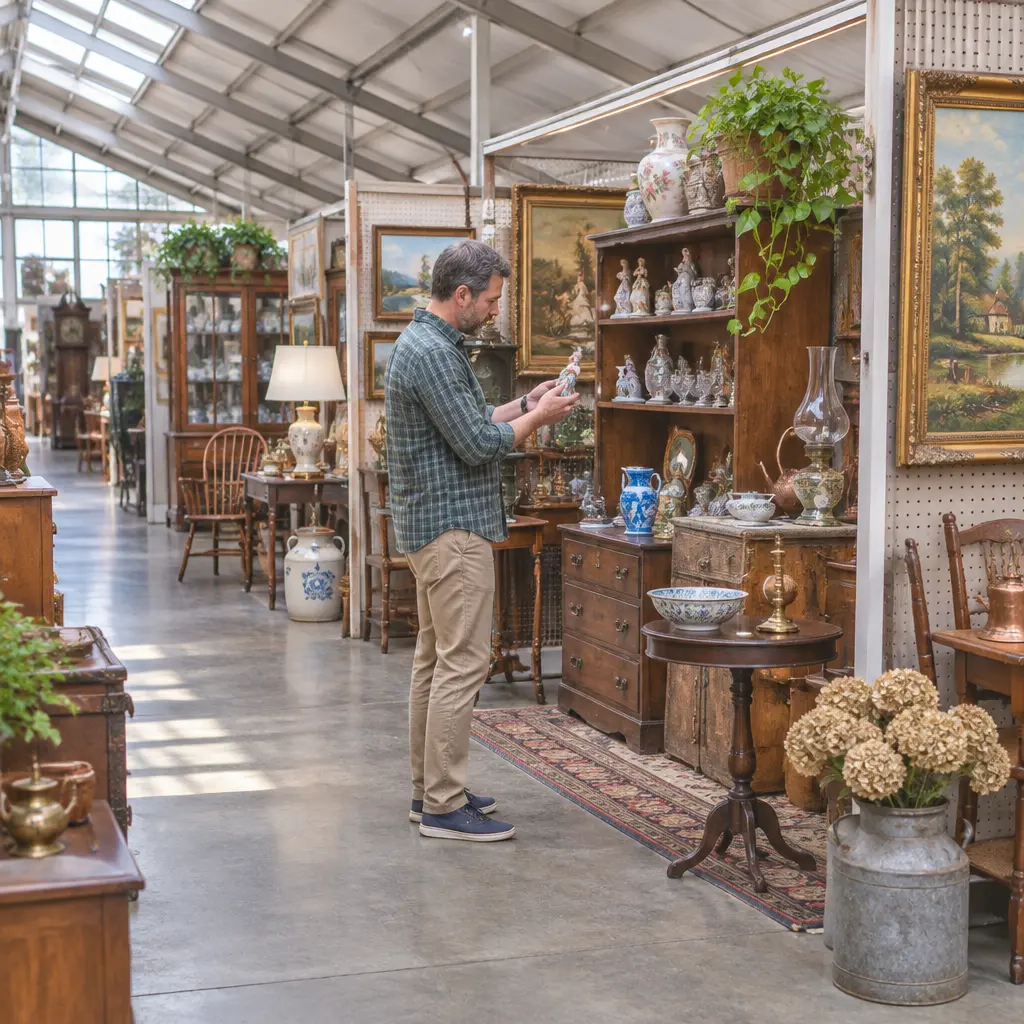
A checklist turns a general inspection into practical questions. For furniture, check stability, drawers, joints, veneer, feet, and signs of refinishing. For ceramics, examine rims, handles, bases, and areas that may hide cracks or repairs; a blacklight can sometimes reveal restoration but cannot establish age or authenticity on its own. For silver, inspect hallmarks and construction, and distinguish solid silver from plated wares. For textiles, check for fading, insect damage, stains, and fragile seams.
Photograph the item and any marks or defects, with the seller’s permission. Measure it and confirm that it will fit through doors and into its intended space. If a seller will not allow a reasonable inspection or answer straightforward questions, consider walking away.
Antique negotiation works best with evidence and a budget
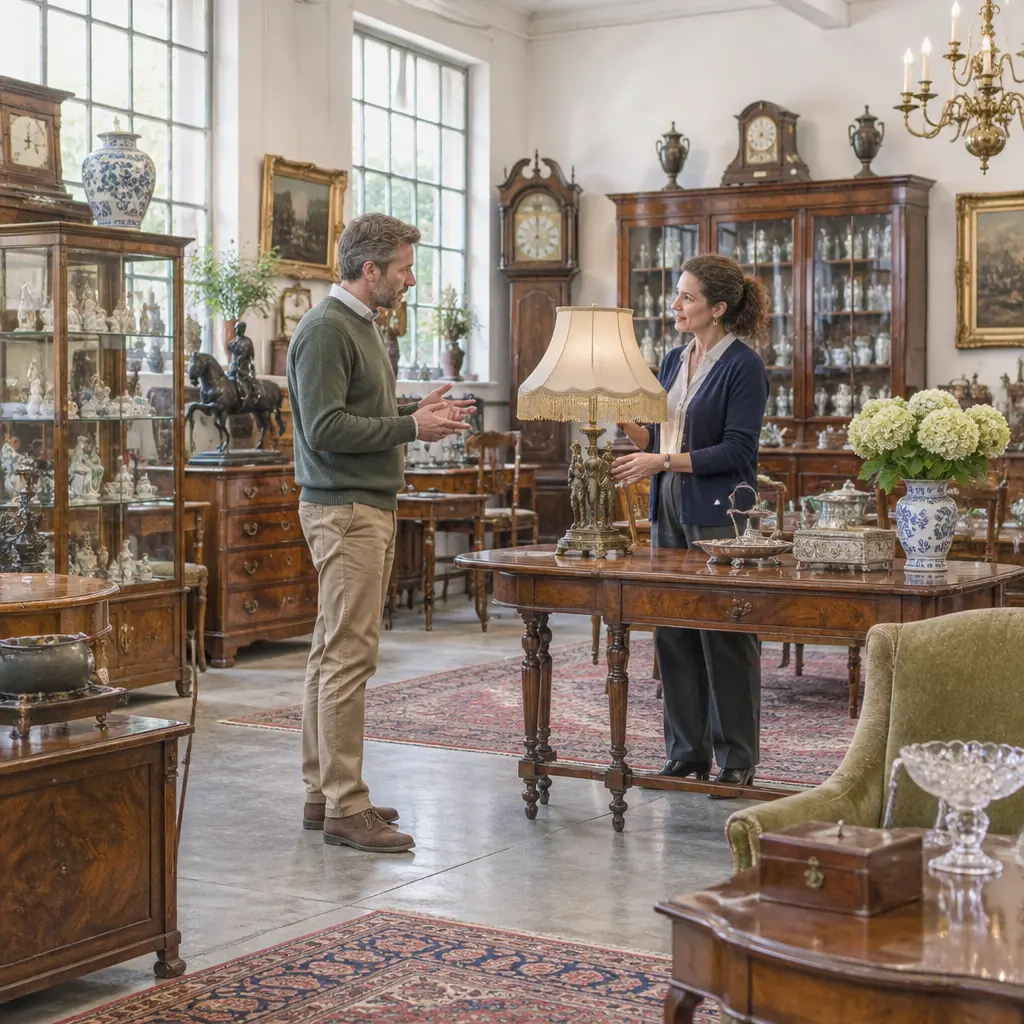
Negotiation is a discussion about price and terms, grounded in the item’s condition, comparable sales, and the seller’s policies. There is no universal discount that applies to every antique. A fixed-price shop, auction, estate sale, and private seller may each operate differently, so first ask whether the price is negotiable and whether the seller can explain what is included.
Make a respectful, specific offer
A useful offer gives a reason: a comparable sale, a disclosed repair, missing components, or the cost of transport. Keep the tone courteous and propose a figure you are genuinely willing to pay. If the seller declines, ask whether there is flexibility on delivery, payment timing, or another term. A clear offer is more persuasive than an unsupported demand for a large discount.
At auctions, set a maximum bid in advance and include the buyer’s premium and taxes in your calculation. Do not treat competition in the room as evidence of an object’s true value. Auction terms, bidding increments, and withdrawal rules vary, so read the conditions before bidding.
Get the deal and disclosures in writing
Before paying, confirm the final price, delivery arrangements, return policy, and any statements about maker, date, materials, condition, or provenance. A receipt should identify the object clearly enough to distinguish it from other items. Written details are especially valuable when a purchase is sold as authentic, attributed to a named maker, or accompanied by a stated ownership history.
Antique shopping channels carry different costs and risks
A shopping channel is the place or method through which an object is offered, such as a dealer, auction, estate sale, antiques fair, or online marketplace. Each channel changes how much time you have to inspect, what fees apply, and what recourse may be available. Choose the channel that matches the item’s value and your ability to assess it.
Dealers, fairs, and estate sales
Dealers may provide expertise, selection, and clearer purchase documentation, though their prices can include costs associated with sourcing and operating a shop. Ask about the dealer’s returns, guarantees, and experience in the relevant category. At fairs and estate sales, inspect promptly, since time and access may be limited; check whether prices are fixed, negotiable, or reduced later in the sale.
Auctions and online marketplaces
Auctions provide public records of some completed sales but can add a buyer’s premium, taxes, and collection fees. Read the catalogue description carefully: terms such as “attributed to,” “style of,” or “after” may signal uncertainty or a later work rather than a confirmed maker. Ask about condition reports and arrange an in-person inspection when possible.
Online marketplaces offer broad choice but make it harder to judge scale, surface, color, and repairs from photographs. Request additional images, measurements, close-ups of marks and damage, and a written description. Review seller history, shipping protection, payment safeguards, and return terms before buying. The Federal Trade Commission advises consumers to use caution with unfamiliar sellers and secure payment methods; avoid pressure to pay outside the platform’s protections.
Antique buying is safer with a repeatable decision process
A repeatable process reduces impulse buying and makes comparisons more consistent. Before a purchase, pause long enough to confirm that the object meets your needs, that its condition is acceptable, and that the total cost fits your budget. For expensive or consequential purchases, independent expertise can be more valuable than a hurried bargain.
- Define your category, intended use, and maximum all-in budget.
- Research the maker, period, materials, and comparable completed sales.
- Inspect the object and ask about repairs, replacements, and provenance.
- Calculate fees, tax, delivery, insurance, and likely restoration costs.
- Compare alternatives, negotiate respectfully, and document the agreement.
- Walk away if important claims cannot be verified or the price exceeds your limit.
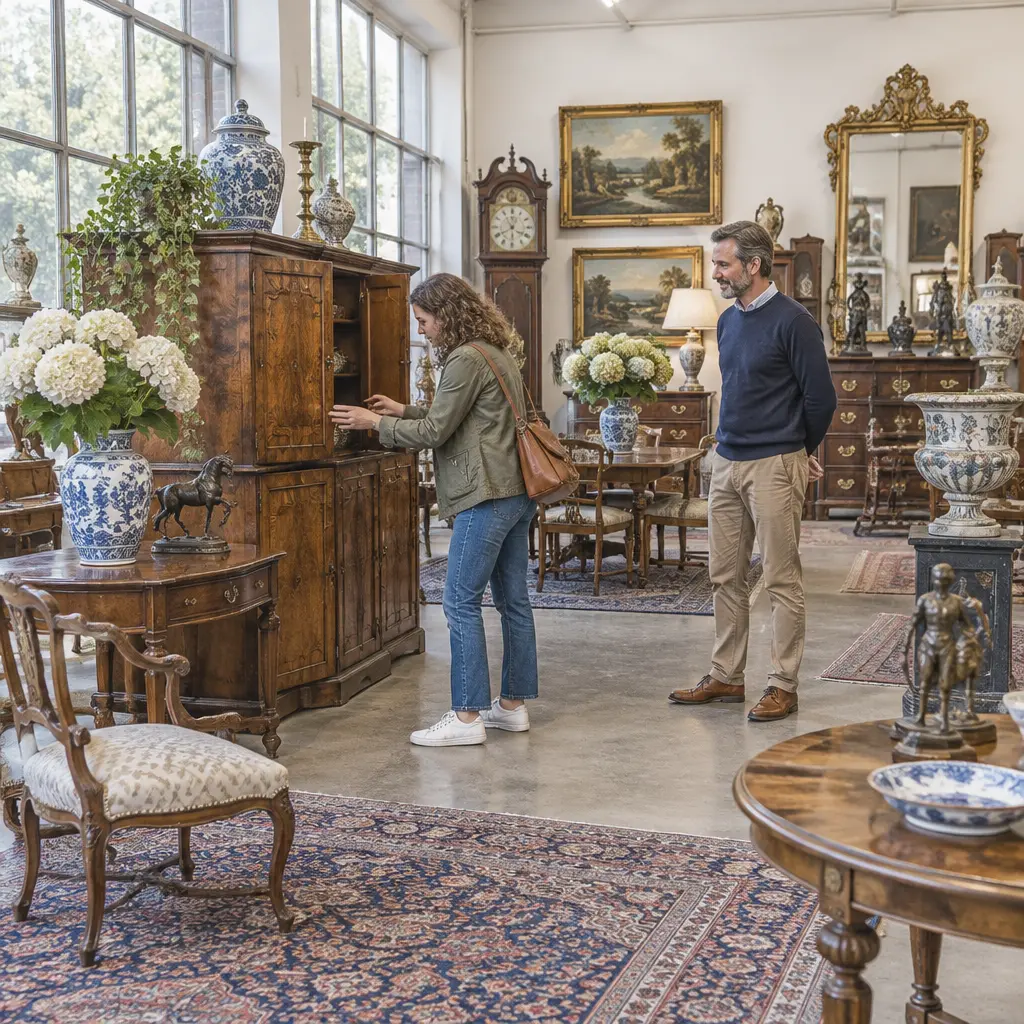
For example, a shopper considering an antique cabinet should compare examples with similar dimensions, construction, finish, and condition—not simply search for the same style name. A cabinet with replaced feet, a refinished surface, and costly delivery may be a poorer value than a slightly more expensive, structurally sound example nearby. The comparison is useful even when the shopper intends to keep the piece rather than resell it, because it clarifies what the price actually buys.
Conclusion: buy antiques with knowledge, not urgency
Avoiding overpayment begins with understanding what an antique is—and what age alone cannot prove. Research comparable sales, inspect condition and originality, verify provenance where possible, account for the full cost, and negotiate using specific evidence. Dealers, auctions, estate sales, and online platforms each have distinct terms and risks, so adapt your checks to the channel. Set a budget, document the transaction, and be willing to leave an uncertain purchase behind. For further guidance, consult museum and government resources, reputable specialists, and category-specific reference works before making a significant purchase.
Sources: U.S. International Trade Commission, Harmonized Tariff Schedule of the United States, Chapter 97, https://hts.usitc.gov/; Federal Trade Commission, Shopping Online, https://consumer.ftc.gov/articles/online-shopping; Smithsonian Institution, Caring for Your Treasures, https://www.si.edu/mci/english/learn_more/taking_care/index.html; U.S. Fish and Wildlife Service, International Affairs: CITES, https://www.fws.gov/program/international-affairs/cites; Convention on International Trade in Endangered Species of Wild Fauna and Flora, What is CITES?, https://cites.org/eng/disc/what.php