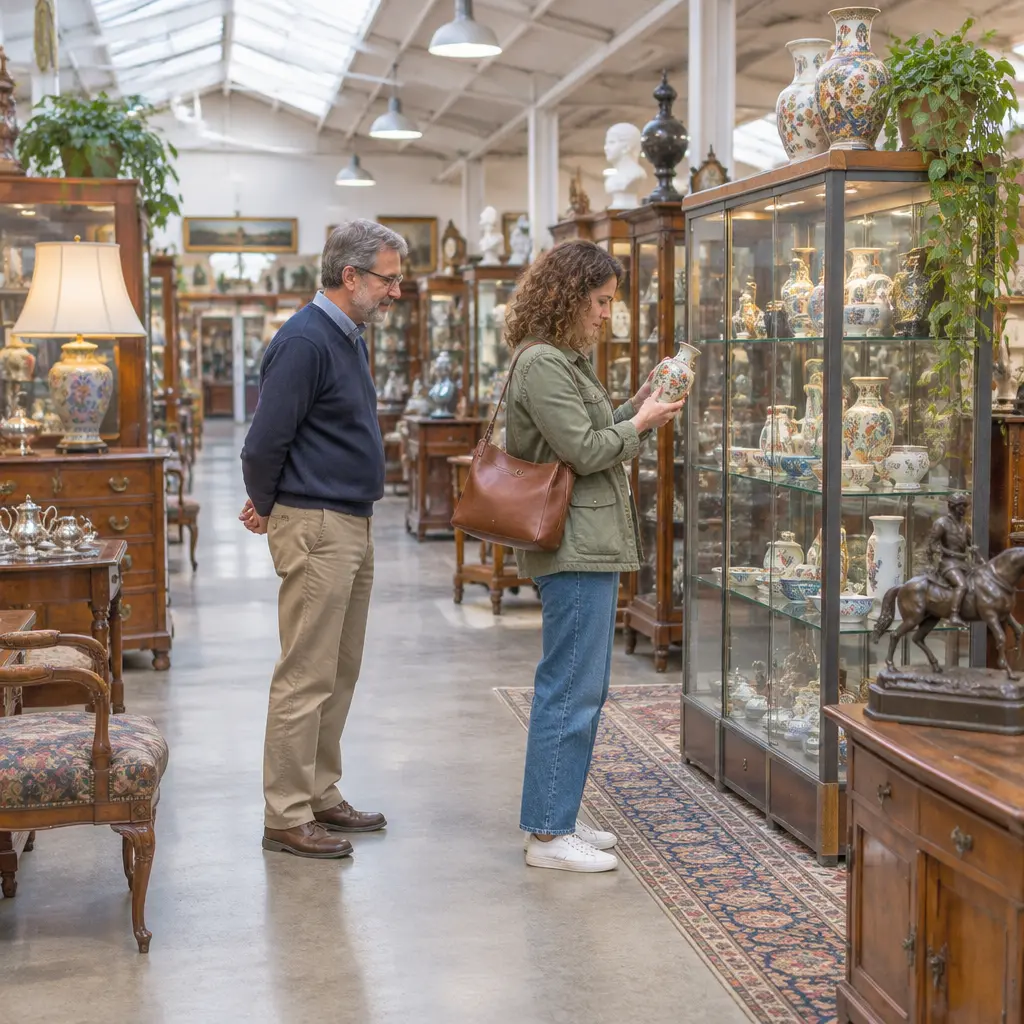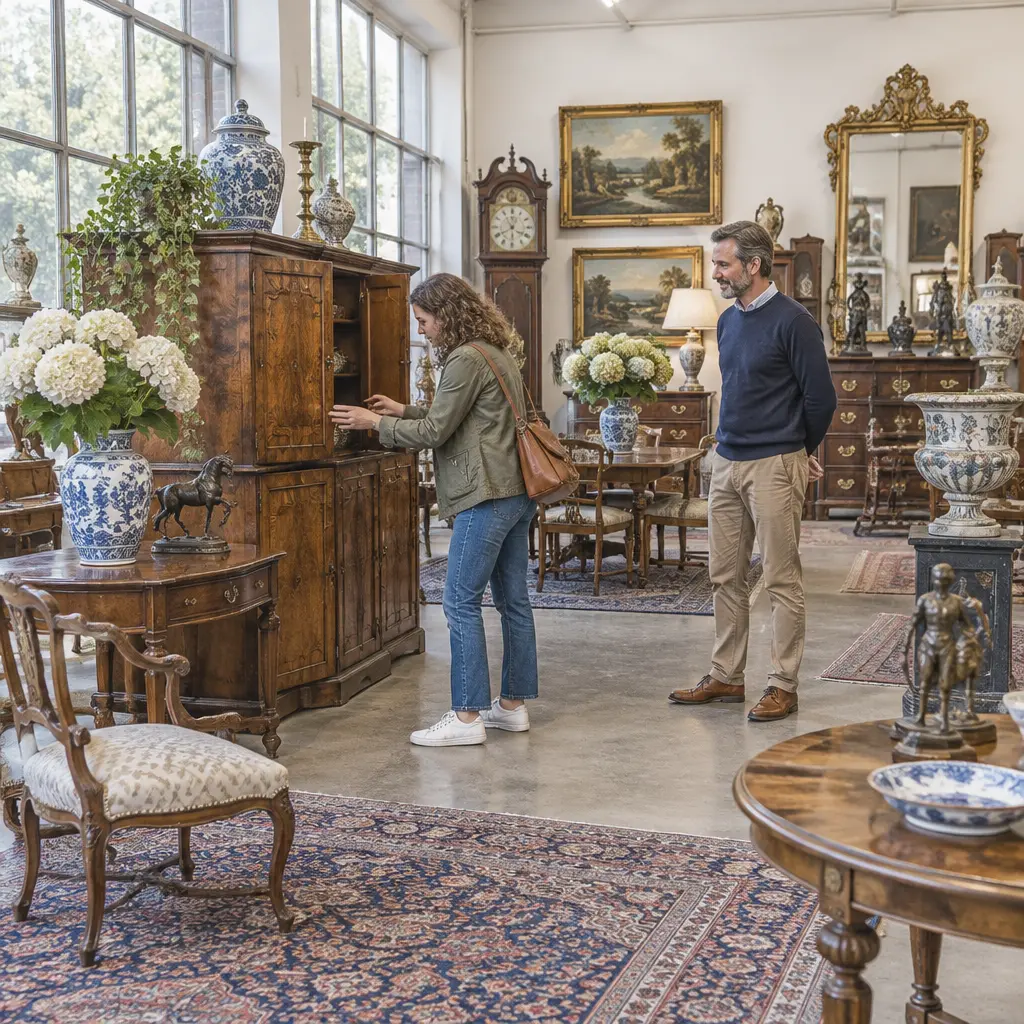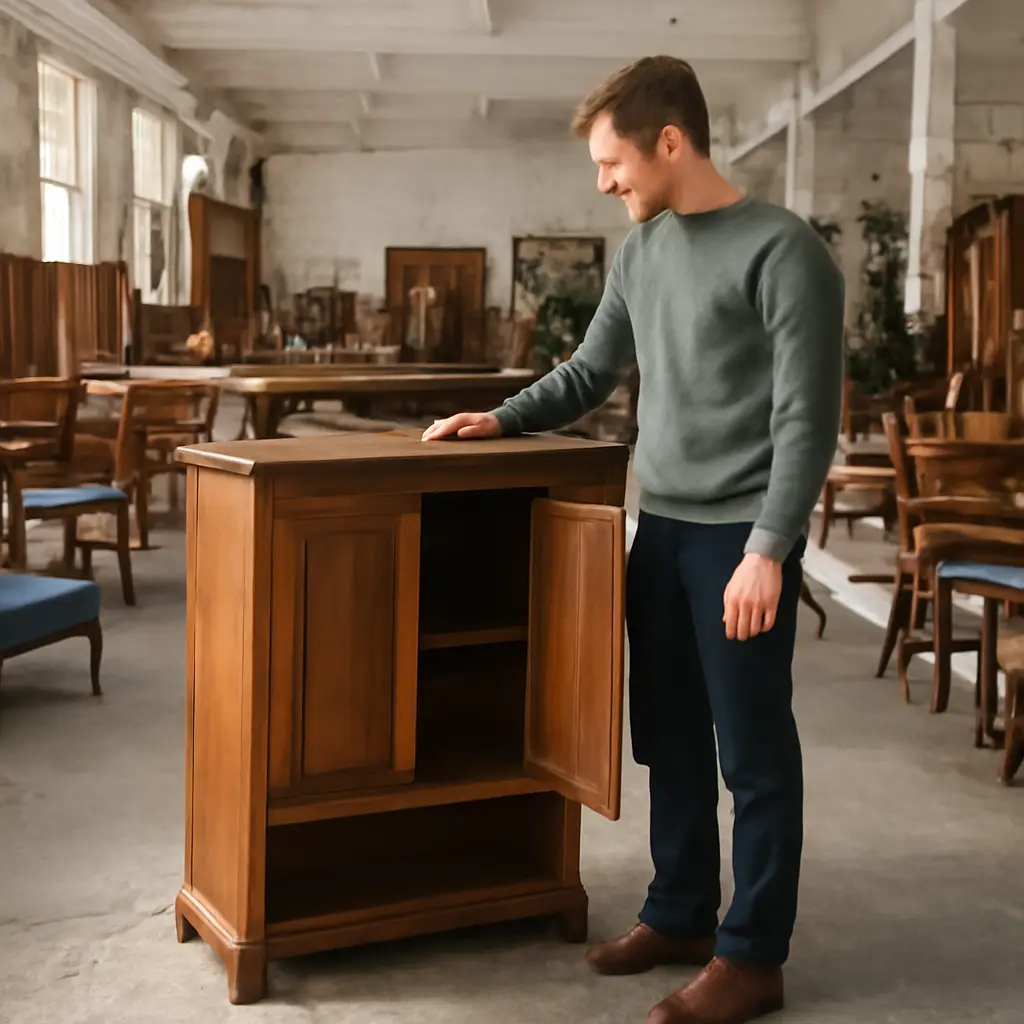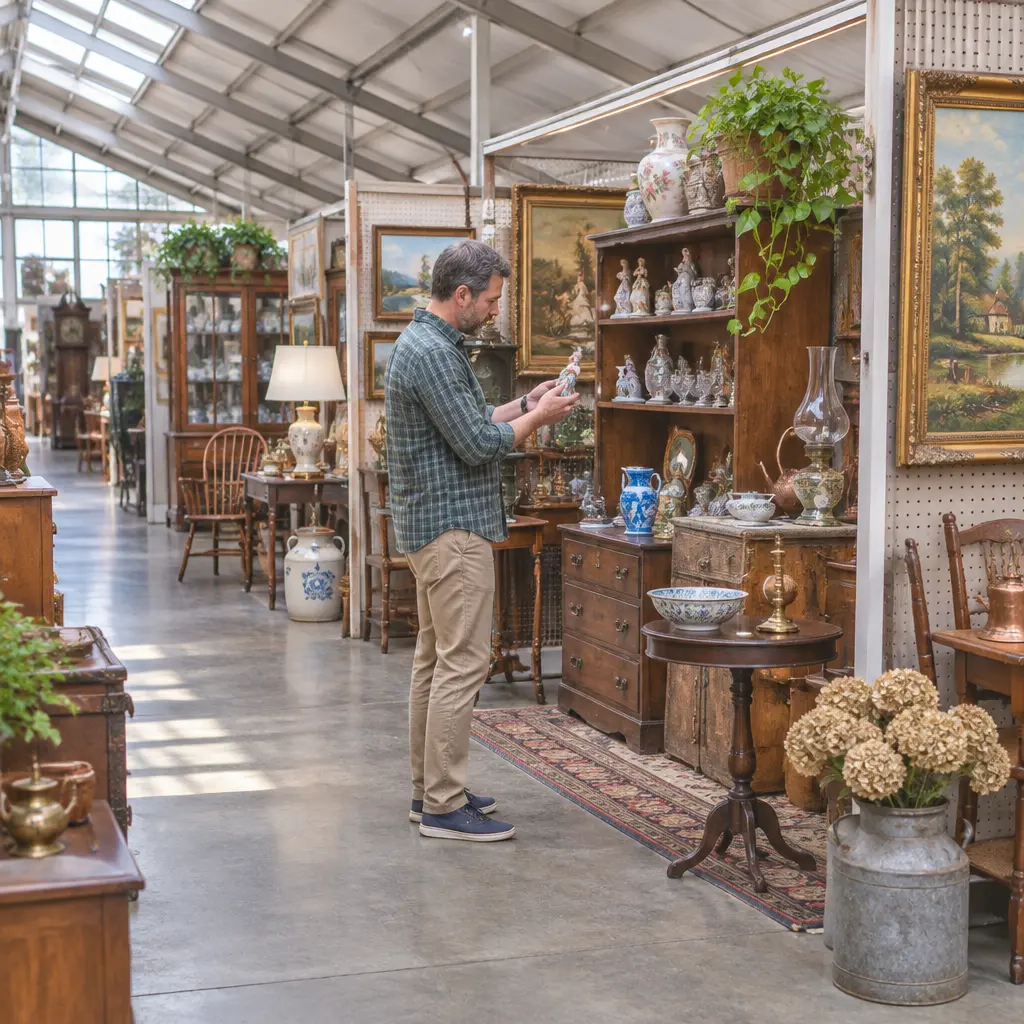
Antique malls are indoor marketplaces where independent dealers rent booths to sell vintage, antique, and collectible goods. For shoppers seeking rare finds, they offer a useful combination of variety, discovery, and the chance to examine objects in person—but rarity alone does not establish authenticity, quality, or value. The U.S. Census Bureau reported that 2022 retail sales at used merchandise stores reached about $21.4 billion, an indication of the scale of the broader resale market, though that category includes much more than antique malls. Understanding how dealers source and describe objects, how collectors assess condition and provenance, and how prices are formed can help visitors shop thoughtfully and preserve meaningful finds.
How Rare Finds Define Collectibles in Antique Malls
“Rare find” is a practical description, not a standardized appraisal category. In collecting, rarity may refer to how few examples survive, how seldom an object appears on the market, or how difficult it is to locate a particular maker, model, pattern, date, or variation. The Smithsonian’s National Museum of American History emphasizes that an object’s significance depends on evidence and context as well as its physical characteristics. In the marketplace, scarcity is only one influence on price: condition, authenticity, demand, and documented history also matter.
Antique malls bring multiple sellers together under one roof, often with each dealer managing a separate booth while the mall handles shared services such as checkout. Their inventory can include antiques—commonly understood in the trade as objects at least 100 years old—as well as vintage goods, modern collectibles, ephemera, and used items. The label on a booth or price tag should therefore be treated as a seller’s description rather than independent proof of an object’s age or authenticity.
Antiques, vintage goods, and collectibles
These categories overlap, but they are not interchangeable. An antique is generally an object at least a century old; “vintage” commonly describes a noticeably older product that is not necessarily 100 years old; and a collectible is an item people seek because of its subject, maker, design, historical associations, or cultural popularity. A collectible can be recent, while an old object may have little collector demand. For shoppers, the distinction helps frame the right questions: Is the claim about age, maker, edition, rarity, or simply appeal?
Why scarcity does not guarantee value
Market value reflects what informed buyers are willing to pay under particular conditions, not just how uncommon an item seems. A scarce object may attract few buyers; a more plentiful item can command strong prices if demand is sustained and examples in excellent condition are hard to find. The Antiques Roadshow appraisal team routinely explains that condition, provenance, maker, and current market interest affect valuations. Before buying, compare recent completed sales for genuinely similar objects rather than relying only on asking prices or a “rare” label.
How Antique Mall Collectibles Are Found and Evaluated
The appeal of an antique mall is partly the hunt: dealers assemble goods from estate sales, auctions, private collections, trade networks, and other resale channels, so stock can change from visit to visit. That variety makes malls valuable for browsing but also means that descriptions and expertise vary by booth. A reliable buying process combines close inspection, source questions, comparison with established references, and a realistic assessment of the object’s condition and intended use.
Provenance and documentation
Provenance is the documented history of an object’s ownership or custody. Receipts, old photographs, estate records, maker’s marks, catalog entries, and exhibition histories can strengthen a claim, but a story told without supporting evidence is not the same as documentation. The International Council of Museums’ ethical guidance stresses responsible acquisition and due diligence, particularly for cultural property. For a potentially significant object, ask what is known, what is documented, and whether there are restrictions or legal concerns surrounding its sale.
Condition, repairs, and authenticity
Condition describes an object’s physical state, including wear, damage, missing parts, repairs, and alterations. Inspect the item in good light and look for cracks, replaced components, refinishing, fading, odors, loose joints, and inconsistent wear. Marks and labels can offer clues, but they may be copied, altered, or attached to reproductions. The Federal Trade Commission’s guidance on used goods underscores the importance of clear, truthful representations; shoppers should ask dealers to put material claims—such as maker, age, or authenticity—in writing when the purchase is expensive.
Researching comparable prices
A comparable sale should match the object as closely as possible in maker, model, date, material, size, condition, and completeness. Auction archives and reputable specialist publications can provide useful evidence, but one sale is not a reliable market average. Also account for buyer’s premiums, shipping, taxes, restoration costs, and the possibility that a mall’s displayed price reflects room for negotiation. The Bureau of Labor Statistics’ Consumer Price Index tracks broad price changes over time, but it does not measure the value of individual antiques or collectibles; object-specific research is essential.
Popular Rare-Find Categories in Antique Malls
Collectors often organize searches around material, maker, period, or use. The categories below are common examples rather than a ranking of investment potential. Individual demand can shift with fashion, scholarship, and changing collector communities, so a find should be judged on its own evidence and appeal.
Paper ephemera and historical documents
Ephemera includes printed materials originally intended for short-term use, such as postcards, advertisements, programs, maps, tickets, and brochures. It can provide unusually direct evidence of everyday life, local businesses, popular design, and historical events. The Library of Congress preserves extensive collections of printed ephemera and related materials, demonstrating their research value. Collectors should check for completeness, original printing, brittle paper, stains, trimming, and repairs, and should store fragile pieces away from light, moisture, and acidic materials.
Ceramics, glass, and decorative arts
Pottery, porcelain, art glass, and household wares attract buyers interested in makers, patterns, production techniques, and regional styles. Marks on the base may help identify a manufacturer, but marks changed over time and can be imitated. Examine rims, handles, foot rings, and high points for chips, hairline cracks, repairs, and overpainting. Museum catalogues and specialist reference books can help verify a pattern or mark; a dealer’s attribution is a useful starting point, not a substitute for independent confirmation on a high-value purchase.
Toys, advertising, and pop-culture collectibles
Tin toys, model trains, advertising signs, comics, and licensed merchandise can appeal to collectors because of nostalgia, design, rarity, or cultural influence. Packaging, original accessories, and working condition may substantially affect desirability. Reproductions and restored examples are common in some markets, so inspect printing, construction, fasteners, wear patterns, and manufacturer information. The U.S. Consumer Product Safety Commission also advises consumers to consider safety when handling older products, especially toys that may contain small parts, lead paint, or other hazards.
Furniture, tools, and objects of daily life
Furniture and practical objects can reveal how people lived and worked, while offering buyers functional use as well as historical interest. Look for original hardware, joinery, tool marks, maker labels, and evidence of later modifications. Refinishing can improve appearance but may remove historical surfaces or reduce collector interest. For furniture, assess stability, wood damage, and dimensions before arranging transport; for tools, consider whether wear is consistent with age and whether the item has been altered for display.
A Practical Strategy for Shopping Antique Malls
A planned visit makes it easier to distinguish a compelling object from an impulsive purchase. Antique malls may have dozens or hundreds of booths, and dealers can update inventory frequently. Treat browsing as research: record identifying details, take permitted photographs, compare items across booths, and return to a candidate after checking its claims.
- Set a budget that includes tax, delivery, insurance, conservation, and repairs.
- Define what you collect—such as a maker, period, material, or subject—so you can compare like with like.
- Inspect the object and its marks, labels, construction, condition, and completeness.
- Ask the dealer what is known about age, maker, ownership history, restoration, and return terms.
- Compare credible references and completed sales before paying a premium for a rarity claim.
- Keep receipts, written descriptions, and photographs of the item at purchase.
Questions to ask before buying
Useful questions are specific and neutral: “What evidence supports this date?” “Has it been repaired or restored?” “Are all parts original?” “Is the price firm?” and “What is the mall’s return policy?” A knowledgeable dealer should be able to distinguish what is known from what is inferred. If an answer relies on urgency or an unsupported claim that the item is exceptionally rare, pause and research before committing.
Ethical and legal considerations
Some objects may be subject to laws governing protected wildlife, archaeological material, cultural heritage, or hazardous substances. The U.S. Fish and Wildlife Service regulates trade involving protected species and products made from them, while the National Park Service prohibits unauthorized removal of archaeological resources from federal lands. If an object appears to contain ivory, tortoiseshell, archaeological material, or human remains, do not assume that age makes its sale lawful; seek authoritative guidance and clear documentation before purchase.
Preserving and Insuring Collectibles After Purchase
Finding a collectible is only part of ownership. Appropriate storage and handling help retain both physical condition and historical information. The Canadian Conservation Institute recommends managing environmental risks such as light, temperature, relative humidity, pollutants, and pests; its preventive-conservation guidance is widely used by museums and collections professionals. Materials differ, so a paper document, metal tool, textile, and wooden chair should not all be stored in the same conditions.
Handling and display
Handle fragile items as little as practical, support them from underneath, and avoid adhesive tape or household cleaners. Limit direct sunlight and strong display lighting, which can fade paper, textiles, dyes, and finishes. Keep storage areas clean and dry, and use protective enclosures made for the object’s material. If an item is damaged or unusually valuable, consult a qualified conservator rather than attempting an irreversible repair.
Records, appraisals, and insurance
Maintain an inventory with photographs, measurements, purchase dates, receipts, dealer descriptions, and any research or appraisal documents. For insurance, ask the insurer whether a standard homeowners or renters policy covers the item, what limits apply, and whether a formal appraisal or scheduled personal-property endorsement is needed. The Insurance Information Institute notes that policy limits and exclusions vary; an appraisal supports documentation but does not guarantee a future sale price.
Conclusion: Make the Search for Rare Finds Informed
Antique malls bring together antiques, vintage goods, and collectibles in a setting where discovery is part of the experience. The strongest purchases combine personal interest with careful evaluation: establish what “rare” means for the category, examine provenance and condition, compare credible market evidence, and consider legal and preservation responsibilities. The scale of the wider resale economy confirms that secondhand buying is an established commercial activity, but no broad retail statistic can establish the value of a particular object. Start with a collecting focus, ask dealers precise questions, document what you buy, and consult specialist references or qualified professionals when the stakes are high.
Sources: U.S. Census Bureau, Annual Retail Trade Survey and Monthly Retail Trade Survey, https://www.census.gov/retail/index.html; Smithsonian National Museum of American History, Collections and Research, https://americanhistory.si.edu/collections; International Council of Museums, ICOM Code of Ethics for Museums, https://icom.museum/en/resources/standards-guidelines/code-of-ethics/; Antiques Roadshow, Appraisal Archive, https://www.pbs.org/wgbh/roadshow/; Federal Trade Commission, Buying Used Goods, https://consumer.ftc.gov/articles/buying-used-goods; U.S. Bureau of Labor Statistics, Consumer Price Index, https://www.bls.gov/cpi/; Library of Congress, Digital Collections, https://www.loc.gov/collections/; U.S. Consumer Product Safety Commission, Toy Safety, https://www.cpsc.gov/Safety-Education/Safety-Guides/Toys; U.S. Fish and Wildlife Service, Wildlife Trade, https://www.fws.gov/program/international-affairs/wildlife-trade; National Park Service, Archaeology Program, https://www.nps.gov/subjects/archeology/index.htm; Canadian Conservation Institute, Preventive Conservation Guidelines for Collections, https://www.canada.ca/en/conservation-institute/services/preventive-conservation/guidelines-collections.html; Insurance Information Institute, Personal Property Insurance, https://www.iii.org/article/what-does-homeowners-insurance-cover.