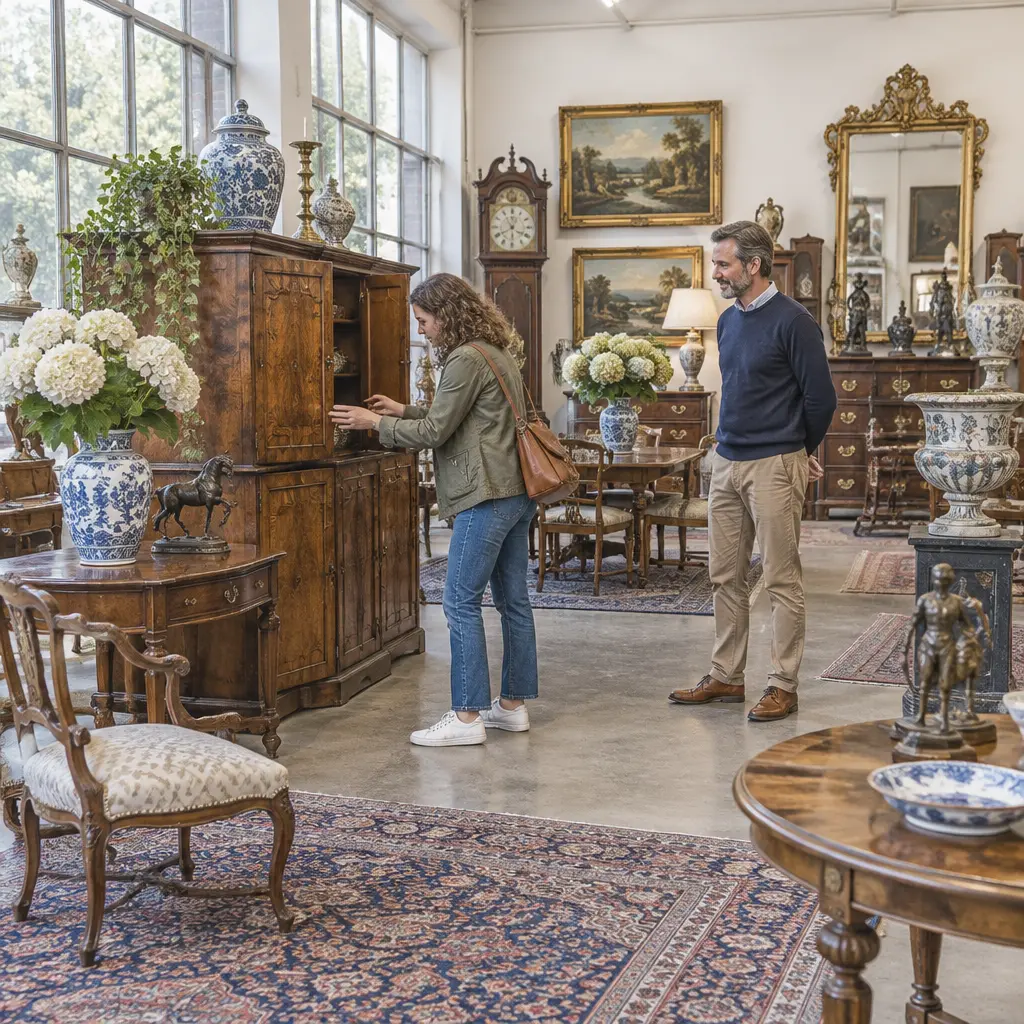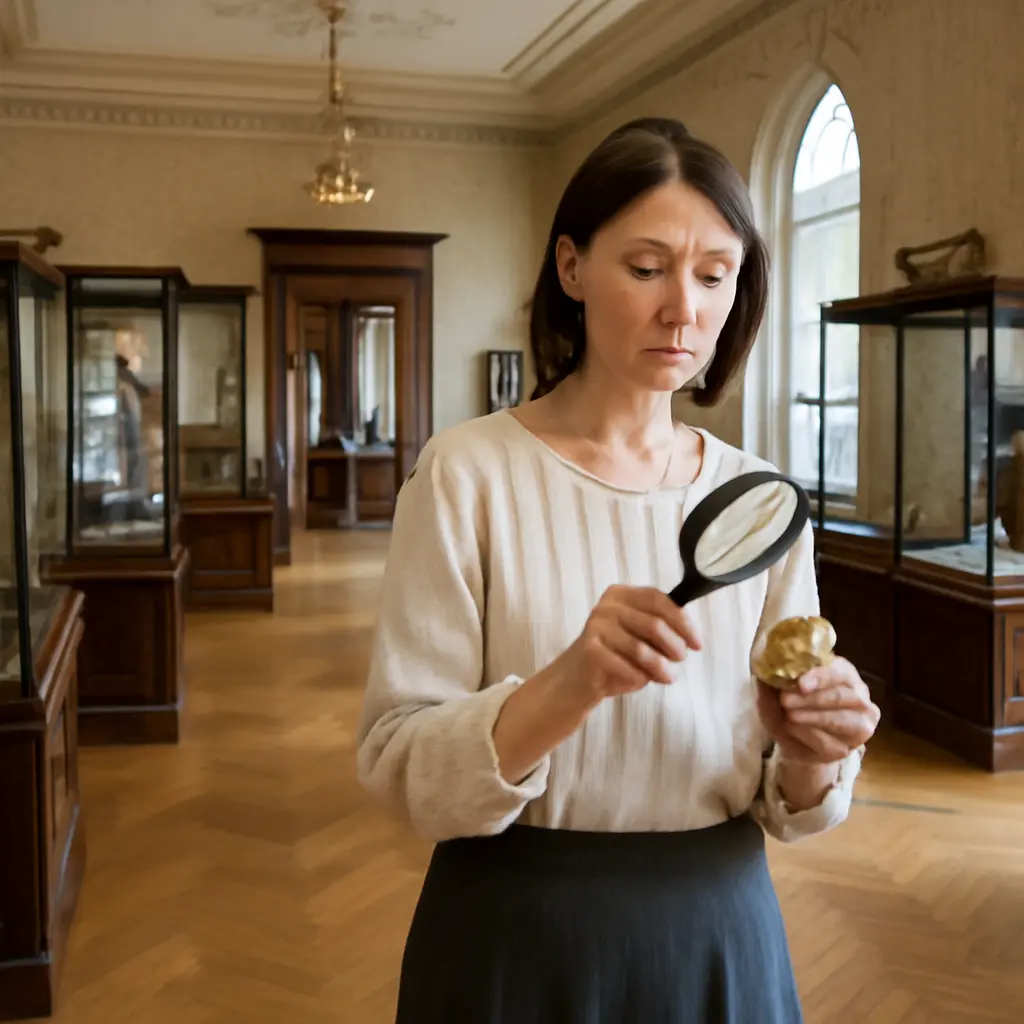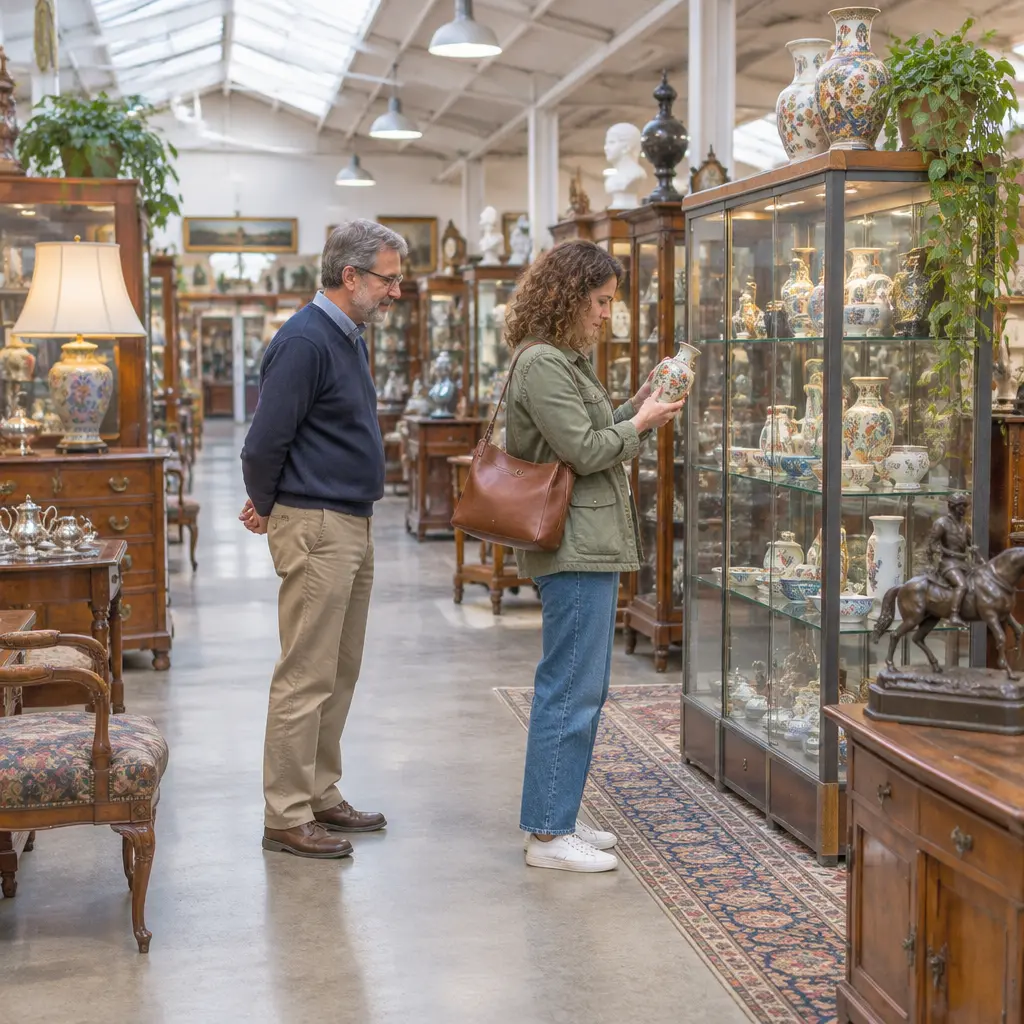
Vintage and antique shopping rewards close inspection: “antique” generally means an object at least 100 years old, while “vintage” commonly describes a substantially younger item valued for its age, style, or collectibility. At a mall, where dealers curate and label merchandise but may have varying levels of documentation, shoppers can improve their odds by checking construction, materials, wear, provenance, and price together. The U.S. Federal Trade Commission’s guidance on antique and reproduction claims, museum conservation advice, and auction-house research practices all point to the same principle: no single visual clue proves age. A careful, evidence-based inspection helps distinguish genuine older pieces from reproductions and makes it easier to buy responsibly.
Age and Authenticity: What “Vintage” and “Antique” Mean
An object’s age category is a starting point, not a certificate of authenticity. The U.S. Customs and Border Protection definition used for tariff purposes treats antiques as articles more than 100 years old. “Vintage,” by contrast, has no single universal legal age threshold in ordinary retail use; dealers often apply it to older goods that are not yet antiques, though the term can also describe a period style or collectible category. Ask what a seller means by the label and whether the claim refers to the whole object, a component, or its design.
Age and authenticity are related but distinct. A piece may be old yet altered, assembled from parts of different periods, or misidentified; a modern reproduction may convincingly imitate an older style. The Federal Trade Commission’s Guides for the Jewelry, Precious Metals, and Pewter Industries illustrate why accurate disclosure matters: claims about material, origin, and treatment should not mislead buyers. That same practical caution applies at a mall: treat labels as claims to verify, not evidence by themselves.
Antique: The 100-Year Benchmark
An antique is commonly defined in U.S. import and collecting contexts as an object more than 100 years old. The benchmark can help with broad classification, but it does not establish who made an item, where it came from, or whether it has been restored. For a piece near the age threshold, ask for dated documentation or look for features that support a date range rather than relying on a confident-sounding tag.
Vintage, Retro, and Reproduction
Vintage typically refers to goods from a past period, such as clothing, lighting, or furniture, without a single agreed minimum age. Retro usually describes a newer object that adopts an earlier style, and a reproduction is made to imitate an older design. These categories can overlap in casual sales language. Ask whether the seller is asserting the object’s actual age or describing its appearance, and check whether replacement parts or later components are disclosed.
Construction and Materials: Physical Clues to Age
Construction is the way an object was made and assembled. Comparing its joinery, fasteners, surfaces, and materials with established examples can help narrow its likely period. The Smithsonian Museum Conservation Institute emphasizes that materials and object condition require careful interpretation: deterioration can result from storage and use, while restoration can disguise or alter earlier features. Look for several consistent clues and avoid treating any one detail as conclusive.
Furniture Joinery and Hardware
Joinery refers to the methods used to connect furniture components. Hand-cut dovetails may vary slightly from joint to joint, while machine-cut examples often appear more uniform; however, machine production has been used for well over a century, and handwork can be imitated. Inspect drawer sides, undersides, back panels, screw slots, and hardware installation for consistency. A mix of old-looking fittings and fresh machine-made components may indicate repair, reworking, or a reproduction rather than an untouched period piece.
Materials, Finishes, and Manufacturing Marks
Materials and finishes can provide useful clues when considered alongside construction. Examine wood grain, veneer edges, glass seams, ceramic bodies, metal casting lines, and the finish inside concealed areas. Labels, maker’s marks, and patent numbers can help identify a manufacturer or date range, but marks may be copied, added later, or shared across many years. Use a reputable reference or specialist to interpret a mark rather than assuming that a stamp proves authenticity.
Wear, Patina, and Restoration
Patina is the surface change that develops through age, exposure, and use; it is not simply dirt or damage. Natural wear often appears in places consistent with handling, such as a chair’s armrests or a drawer pull. Uniform distressing, fresh scratches in implausible locations, or artificially darkened crevices may warrant questions. Also inspect for repairs, replaced fabric, refinished surfaces, and modern wiring. Restoration can preserve an object, but it may affect originality and value, so ask what work has been done.
Provenance and Research: Checking the Seller’s Story
Provenance is the documented history of an object’s ownership, custody, or origin. The American Alliance of Museums’ collections standards emphasize records and documentation as core tools for establishing an object’s history. In a mall setting, provenance may be as modest as a previous owner’s receipt or a dealer’s inventory note, but even limited records can be more useful than an unsupported anecdote. Ask what is known, what is documented, and what remains uncertain.
Ask Specific Questions and Seek Documentation
Ask the dealer how the item was dated, whether the maker is known, whether any parts have been replaced, and whether the price reflects restoration or condition. Useful documentation may include old photographs, receipts, catalog references, estate records, or a prior appraisal. A dealer who distinguishes confirmed facts from estimates is offering a more verifiable account than one who relies only on phrases such as “estate fresh” or “from an old collection.”
Compare Reliable References
Compare the object with museum collections, specialist books, maker catalogs, and archived auction records. The Metropolitan Museum of Art’s collection database, for example, provides object descriptions and images that can help shoppers compare forms, materials, and documented dates. Auction results can indicate market interest, but they are not guaranteed valuations: condition, rarity, attribution, and sale location all influence price. For costly or high-stakes purchases, consult a qualified appraiser or specialist in the relevant category.
Consider Legal and Ethical Red Flags
Some objects may be subject to restrictions because of cultural heritage, protected wildlife materials, or uncertain ownership history. The U.S. Fish and Wildlife Service regulates trade in many wildlife products, and the UNESCO 1970 Convention addresses measures to prohibit and prevent illicit import, export, and transfer of cultural property. If an item includes ivory, tortoiseshell, archaeological material, or sacred objects, do not assume that age makes its sale lawful or ethical. Request documentation and check applicable rules before buying.
Condition and Value: Making a Sound Mall Purchase
Condition describes an object’s current state, including damage, repairs, missing parts, and wear; value depends on more than age alone. Rarity, maker, demand, quality, provenance, and condition all matter. The Federal Trade Commission advises consumers to understand a product’s claims and terms before purchase. At an antique mall, compare similar examples, examine the item carefully, and ask about return policies and sales terms before paying.
Use a Repeatable Inspection
A simple inspection routine reduces the chance of overlooking problems. With permission, view the object from multiple angles, check hidden and high-wear areas, and test moving parts gently. Avoid forcing drawers, switches, or joints. For electrical items, look for modern rewiring and have uncertain pieces assessed before use. Photograph details and labels so you can compare references or ask a specialist later.
- Check whether the construction and materials appear consistent with the claimed period.
- Look for repairs, replacements, refinishing, and missing components.
- Ask how the seller arrived at the age, maker, and price.
- Compare the piece with reliable museum or specialist references.
- Confirm the mall’s return policy and get important claims in writing when possible.
Read Price as a Clue, Not Proof
An unusually low price may reflect damage, weak demand, incomplete information, or a reproduction; a high price does not prove authenticity. Compare like with like, including size, condition, maker, and documented history. If a purchase is significant, factor in appraisal, repair, transport, and restoration costs. The safest decision is based on the object’s evidence and your intended use, not urgency or a claim that the offer is uniquely rare.
Conclusion: Combine Evidence Before You Buy
Spotting authentic vintage and antique pieces at a mall means combining clear definitions with physical inspection, provenance checks, and realistic condition and price assessments. The 100-year antique benchmark is helpful, but it cannot authenticate an object on its own; construction, materials, wear, documentation, and expert comparison provide stronger context when considered together. Ask focused questions, verify claims through dependable references, and pause when an item raises legal, ethical, or restoration concerns. Before your next visit, choose a category to research and use the inspection checklist so you can shop with curiosity and care.
Sources: U.S. Customs and Border Protection, “Antiques and Works of Art,” https://www.cbp.gov/trade/basic-import-export/importing-car; Federal Trade Commission, Guides for the Jewelry, Precious Metals, and Pewter Industries, https://www.ecfr.gov/current/title-16/chapter-I/subchapter-B/part-23; Smithsonian Museum Conservation Institute, “Museum Conservation Institute,” https://mci.si.edu/; American Alliance of Museums, “Collections Stewardship Standards,” https://www.aam-us.org/programs/ethics-standards-and-professional-practices/collections-stewardship-standards/; The Metropolitan Museum of Art, Collection, https://www.metmuseum.org/art/collection; U.S. Fish and Wildlife Service, “International Affairs: CITES,” https://www.fws.gov/program/international-affairs/cites; UNESCO, “1970 Convention,” https://www.unesco.org/en/fight-illicit-trafficking/1970.