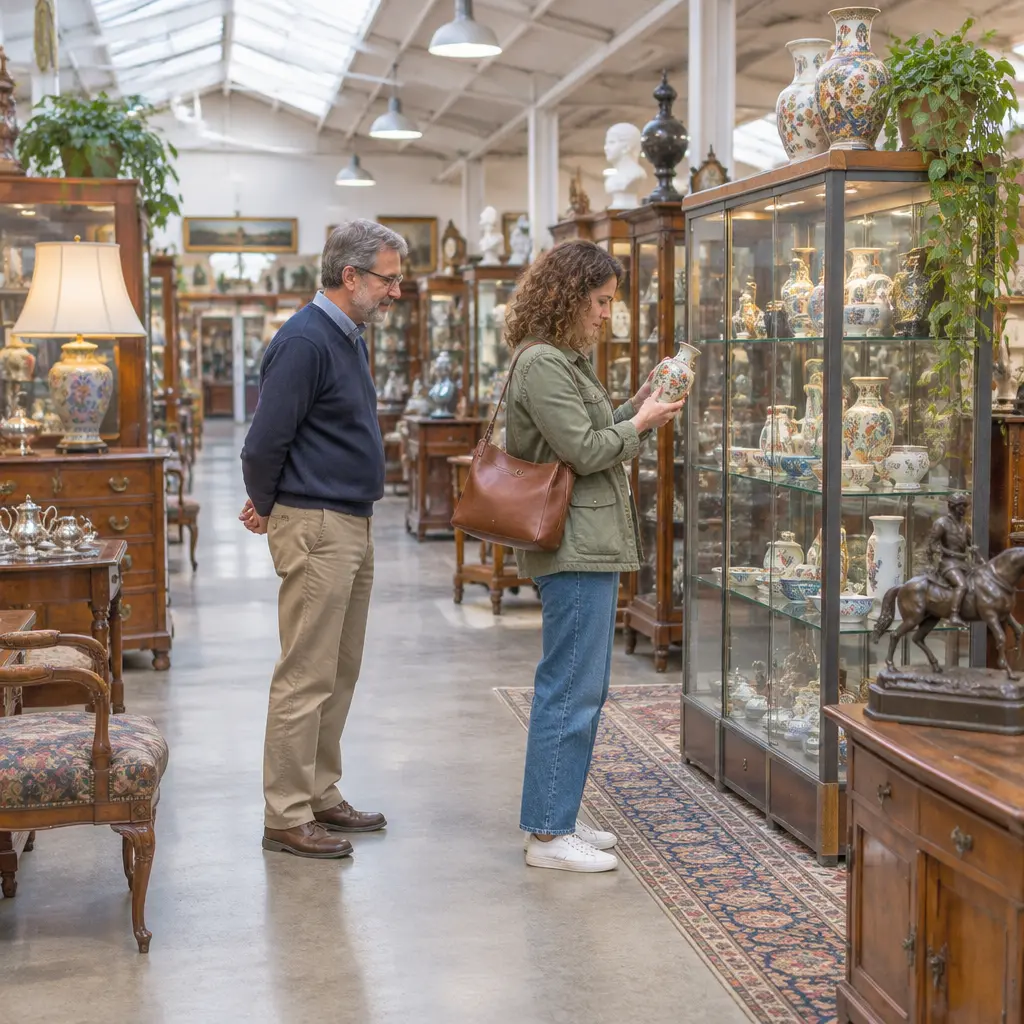
Antique-mall showcases are glass-fronted cabinets or display cases that keep sale items visible while creating a physical barrier between delicate objects and shoppers. They help protect fragile treasures from accidental handling, bumps, dust, and some forms of theft, while allowing customers to inspect items without opening the case. Their value is practical rather than absolute: glass can break, and showcases cannot control every environmental risk, so careful placement, suitable lighting, staff oversight, and appropriate storage remain important. Together, these measures help antique malls balance preservation, security, and the customer’s need to see a piece clearly.
Showcases protect fragile treasures in antique malls
A showcase is an enclosed or partly enclosed display fixture designed to present objects while limiting direct access. The Smithsonian’s Museum Conservation Institute explains preventive conservation as reducing risks to collections before damage occurs. In an antique mall, that principle applies to merchandise ranging from porcelain and glassware to jewelry, watches, small toys, and paper collectibles. A showcase does not make an object invulnerable; it adds one layer of protection to a broader system of handling rules, display choices, and security practices.
There is no single public statistic that measures how much damage showcases prevent across antique malls. The case for them rests on well-established collection-care principles: limiting unnecessary handling, reducing exposure to dust and pollutants, and securing objects that are especially easy to lift or knock over. The most useful display case is therefore one matched to the item’s material, condition, value, and vulnerability.
Access control reduces accidental damage
Access control means creating a barrier between a collectible and casual contact. A closed cabinet can prevent a sleeve, handbag, or curious hand from striking a fragile item. It also lets staff or a vendor supervise handling when a shopper asks to examine something closely. This is especially useful for thin-stemmed glassware, delicate figurines, small mechanical objects, and pieces with loose or repaired components.
The barrier works best when the case is organized so objects do not touch one another and when the display is not overcrowded. A shopper who cannot see an item clearly may ask for it to be removed; clear spacing and readable labels can make browsing easier without sacrificing protection.
Enclosed displays help limit dust and handling
An enclosed showcase can slow the accumulation of dust and reduce frequent cleaning directly on an object. That matters because repeated dusting may abrade delicate surfaces, loosen small parts, or snag textiles and paper. The National Park Service’s museum guidance treats dust, pollutants, light, temperature, and humidity as collection-care concerns, though the exact risks differ by material.
A glass case is not a climate-controlled cabinet. It does not guarantee stable humidity or temperature, and a poorly sealed case may still admit dust. Antique malls should avoid placing sensitive items near heating vents, sunny windows, or damp areas, and should seek conservation advice for unusually vulnerable pieces.
Showcase types match different antique-mall needs
Showcases vary by access, construction, and purpose. Common types include countertop cases, freestanding glass cabinets, locked display cases, and partially enclosed shelving. Choosing among them involves a trade-off: more enclosure can improve access control, while open or easily viewed displays may make browsing and sales more convenient.
Locked glass cabinets for small valuables
A locked glass cabinet is a display case with a door or access panel that staff or vendors open when needed. It is suited to jewelry, coins, watches, miniatures, and other compact, portable items. The lock discourages casual removal, while transparent panels allow customers to assess the item before requesting assistance.
Locks are a deterrent, not a complete security system. Case keys should be controlled, valuable items should be inventoried, and staff should be able to see the display area. For especially valuable merchandise, a mall may combine a locked case with alarms, surveillance, or a secure checkout process.
Countertop cases support supervised browsing
Countertop showcases sit on a service counter and typically allow staff to retrieve an item while remaining close to the customer. They are useful for small collectibles that benefit from close inspection, such as rings, brooches, pocket watches, and delicate miniatures. Their location can also make it easier to monitor access than a case placed in an isolated aisle.
Good counter practice includes returning each piece to its labeled position after inspection and avoiding the presentation of several small items at once. These simple steps reduce mix-ups and the chance that a tiny object will be dropped or overlooked.
Freestanding cabinets protect larger displays
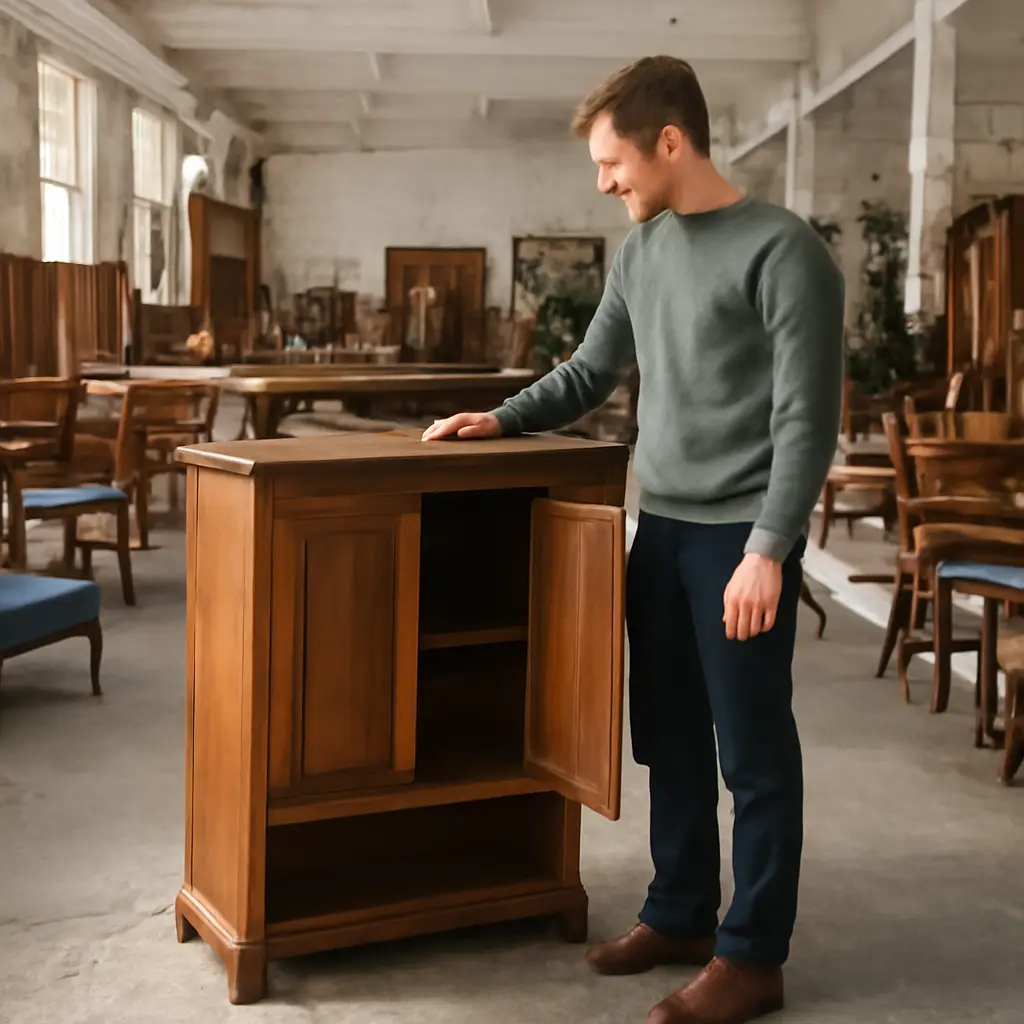
Freestanding cabinets provide enclosed display space for grouped collections or larger objects that still require a barrier. They can be useful for ceramics, glass, toys, and decorative objects, provided shelves are stable and items are spaced safely. Cabinets should be positioned away from traffic pinch points and secured against tipping where their design or location creates a risk.
The American Institute for Conservation emphasizes that preventive care depends on managing risks in context. For a mall, that means considering not just the cabinet but also the floor, nearby foot traffic, lighting, cleaning routines, and the way customers move through the booth.
Display conditions preserve visibility and condition
A showcase must protect an object without making it difficult to see. Glass glare, harsh lighting, crowding, and confusing labels can undermine the display’s purpose. Thoughtful arrangement helps customers evaluate condition and craftsmanship while reducing the need to handle items unnecessarily.
Lighting should reveal detail without overexposure
Lighting is the controlled use of natural or artificial illumination to make an object legible. Direct sunlight can cause fading and other light-related deterioration, particularly in textiles, photographs, prints, and colored materials. The Smithsonian’s conservation guidance recommends assessing light sensitivity by material and limiting exposure for vulnerable collections; there is no single safe illumination level for every antique.
In practice, malls can use modest, well-positioned lighting, avoid hot lamps close to objects, and keep sensitive pieces away from windows. Lighting should be adjusted to minimize reflections on glass, which can otherwise make small details and surface condition hard to inspect.
Spacing and supports reduce knocks and stress
Display spacing is the distance and arrangement that prevent objects from colliding or being destabilized. Stable shelves, padded supports, and appropriately sized stands help protect items with narrow bases, protruding handles, or delicate components. Heavy objects belong on lower shelves, while lightweight pieces should not be placed where a bump could send them falling.
A display should also leave room for a person to remove an item safely. When objects are wedged tightly together, staff may have to maneuver them past neighboring pieces, increasing the chance of impact or snagging.
Labels and clear sightlines support informed buying
Labels identify an item and provide relevant details such as price, material, maker, age, or known condition. Clear, concise labels help shoppers make an informed decision without asking staff to open every case. A useful label distinguishes documented facts from an attribution or estimate, particularly when an item’s origin or date is uncertain.
Good sightlines also matter: objects should be visible from normal browsing positions, and labels should not obscure them. A small, well-lit selection is often more effective than a crowded case in which shoppers cannot distinguish pieces.
Showcase security works best as part of a larger plan
Security combines physical barriers with observation, inventory, and clear procedures. A showcase can slow unauthorized access, but it cannot by itself prevent every theft, accident, or environmental problem. Antique malls can strengthen protection by assigning responsibility for keys, checking displays regularly, documenting valuable stock, and training staff to assist customers respectfully.
Routine checks catch developing risks
A routine check is a scheduled inspection of the case, its contents, and nearby conditions. Staff can look for loose hinges, damaged glass, unstable shelving, missing labels, direct sun, dust buildup, and objects that have shifted. A simple checklist makes it easier to notice small problems before they result in damage or loss.
For high-value or especially fragile items, vendors can record condition at intake and review it periodically. Photographs and basic inventory descriptions help distinguish an existing flaw from new damage and support accurate sales records.
Customer service should preserve safe access
A protected display should not prevent reasonable inspection. Staff can explain how to view an item, retrieve it on request, and provide a clean, stable surface for examination. This approach respects the customer’s interest while keeping responsibility for fragile merchandise clear.
The practical goal is not to eliminate handling but to make it deliberate. When shoppers can see pieces clearly and know how to request assistance, they are less likely to reach across a case or move neighboring objects themselves.
Conclusion: showcases balance preservation, security, and sales
Antique-mall showcases protect fragile treasures by limiting casual contact, reducing some dust exposure, and adding a barrier against unauthorized access. Locked cabinets, countertop cases, and freestanding displays serve different needs, while lighting, spacing, labels, and routine inspections help preserve both condition and visibility. Because no showcase controls every risk, the strongest approach combines a suitable case with careful handling, sensible placement, and attentive staff.
For shoppers, ask staff to retrieve a fragile item rather than reaching into a display. For vendors and mall operators, review cases regularly and match protection to each object’s material and vulnerability. These small habits help keep antiques available for discovery while reducing preventable damage.
Sources: Smithsonian Museum Conservation Institute, Caring for Your Treasures, https://mci.si.edu/caring-your-treasures; National Park Service, Museum Handbook, Part I: Museum Collections, https://www.nps.gov/museum/publications/handbook.html; American Institute for Conservation, Caring for Your Treasures, https://www.culturalheritage.org/about-conservation/caring-for-your-treasures