Victorian design turns romance into a language of objects: a carved rose can suggest love, a mourning locket can preserve a bond, and a carefully chosen flower can carry a message that polite conversation leaves unspoken. Here, “Victorian design” means the decorative arts and visual styles associated with the reign of Queen Victoria, from 1837 to 1901. Its romantic symbolism drew on flowers, jewelry, architecture, and mourning customs, while period guides and surviving objects show how meaning depended on context—not every rose or ornament had one fixed interpretation. Understanding that context makes vintage designs richer to read and easier to appreciate today.
Victorian design symbolism: the romantic language of objects
The Victorian era was not a single, uniform style. It encompassed changing tastes, expanding consumer markets, historic revivals, and new manufacturing methods. The Victoria and Albert Museum describes the period’s design as varied and internationally influential; its collections preserve objects that reveal how decoration could communicate identity, affection, status, and remembrance. Romance and symbolism were especially visible in floral motifs, sentimental jewelry, decorative interiors, and mourning ornaments.
The scale of the period helps explain why these visual codes traveled widely. The Great Exhibition of 1851, held in London’s purpose-built Crystal Palace, displayed more than 100,000 objects from Britain and around the world, according to the Victoria and Albert Museum. It made design a public subject and showcased the products of industrial manufacture. Meanwhile, the population of England and Wales rose from about 15.9 million in 1841 to about 32.5 million in 1901, according to historical census figures published by the Office for National Statistics. More people, goods, and printed guides meant decorative conventions could circulate beyond elite households—even though access to costly jewelry and elaborate interiors remained unequal.
How Victorian design carried romantic meaning
Victorian romantic symbolism is the use of recognizable materials, motifs, and forms to express feelings or relationships indirectly. The Victoria and Albert Museum’s collections and interpretation of Victorian design show that objects can communicate through their imagery, material, use, and historical setting. A motif might signal affection, fidelity, remembrance, or grief, but its meaning was not automatic: the giver, recipient, occasion, and personal association all mattered.
The main forms of this visual language overlap. Floriography assigned conventional meanings to flowers; sentimental jewelry made affection wearable; mourning jewelry and hairwork preserved memory; and domestic ornament used motifs to shape the emotional atmosphere of a home. Moving from symbolic vocabulary to the objects that carried it helps distinguish documented custom from later romantic legend.
Floriography: flowers as a coded vocabulary
Floriography, or the language of flowers, is the practice of assigning meanings to particular flowers and arranging them to convey a message. Its popularity grew through illustrated dictionaries and gift books, including Charlotte de Latour’s Le Langage des Fleurs (1819) and numerous later English-language flower books. The precise definitions varied between publications, so a flower’s symbolism should be treated as a period convention rather than a universal code.
Roses commonly represented love, though color and arrangement could alter an interpretation; violets were associated with modesty or faithfulness in some guides; and forget-me-nots readily suggested remembrance. A bouquet could therefore act as a personal message, but readers should avoid treating any single modern flower chart as definitive. The British Library’s digitized historical collections and the Victoria and Albert Museum’s material on Victorian culture offer useful ways to compare flower books with the objects and practices of their time.
Sentimental jewelry: affection made portable
Sentimental jewelry is jewelry designed to hold or signify an emotional connection, often through miniature portraits, initials, inscriptions, lockets, or symbolic stones. Lockets and rings could be exchanged between lovers or family members; their compact size made them intimate keepsakes worn close to the body. Museum collections document examples of jewelry with portraits, hair, and inscriptions, demonstrating that these objects served as more than decoration.
Materials and motifs helped communicate a relationship, but context remains essential. A heart-shaped pendant might suggest affection, while an engraved date or name could identify the people and occasion involved. The V&A’s jewelry collections are valuable evidence because catalogued objects can be studied alongside their materials, craftsmanship, and known histories. Their survival also reminds us that sentimental objects were not limited to courtship: they could commemorate family bonds and friendships.
Mourning jewelry and hairwork: memory preserved in material form
Mourning jewelry is jewelry made or worn to remember a deceased person; hairwork incorporates human hair into a keepsake or ornament. Hair could be braided into bracelets, woven into watch chains, or placed behind glass in a brooch or locket. Because hair survives and remains physically connected to an individual, it offered a tangible form of remembrance. Museum objects and conservation studies document this practice, while the V&A’s collections show how mourning pieces could combine personal material with conventional ornament.
Queen Victoria’s prolonged public mourning after the death of Prince Albert in 1861 made royal grief highly visible, but mourning customs were broader than the royal household and varied by wealth, family, and period. Black clothing, jewelry, and domestic keepsakes could signal bereavement, yet a black stone or dark ornament is not automatically a mourning object. Provenance, inscriptions, construction, and associated records provide stronger evidence than color alone.
Decorative interiors: romance woven into the home
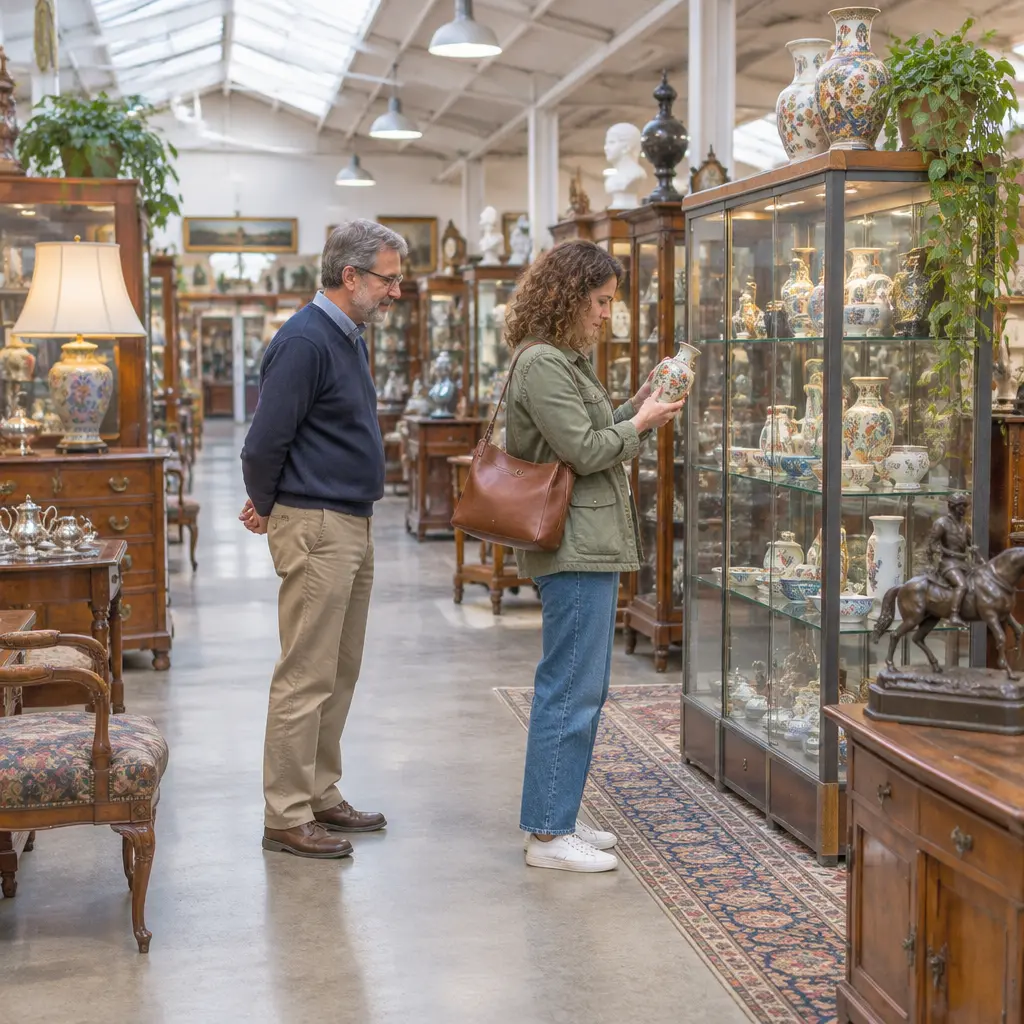
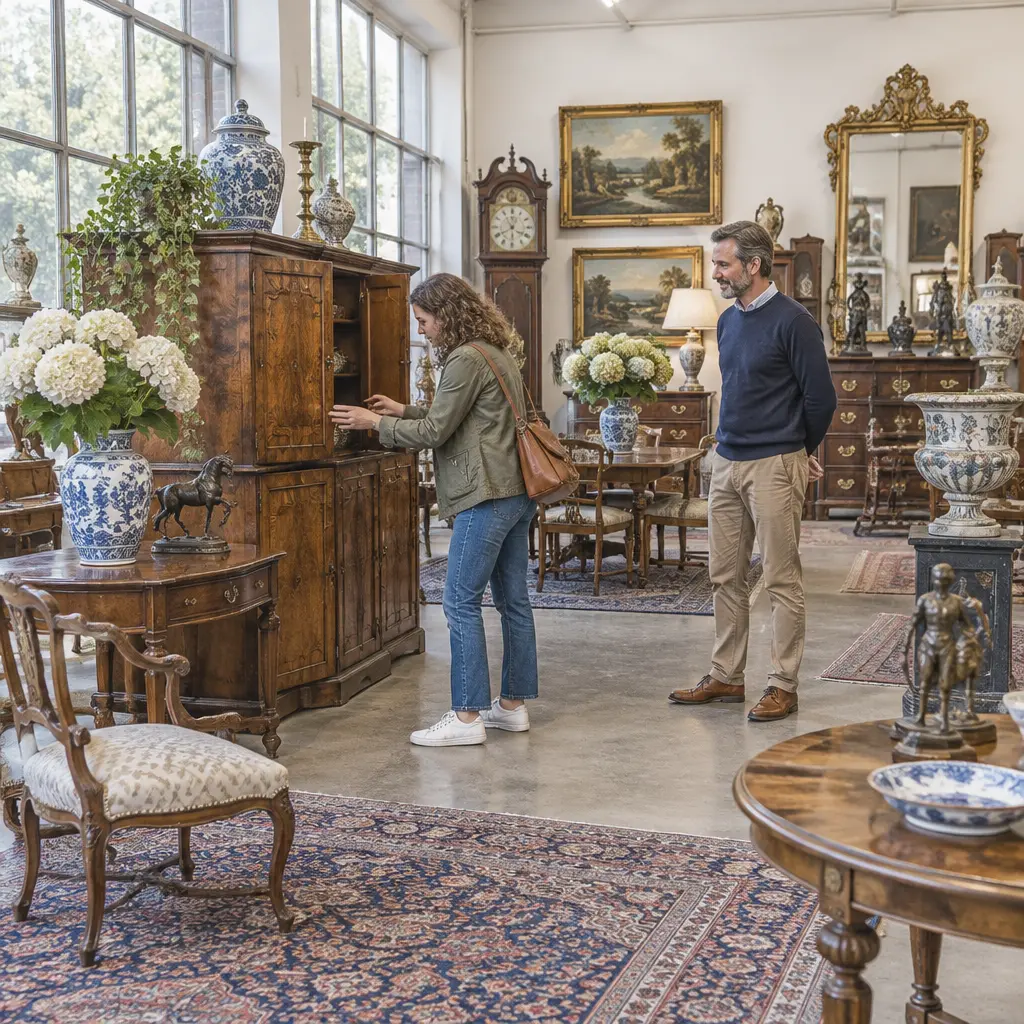
Victorian interiors used wallpaper, textiles, furniture, ceramics, and stained glass to create richly layered environments. The designer and writer Owen Jones argued in The Grammar of Ornament (1856) that ornament should be understood through principles of design and historical traditions, not simply added without purpose. His influential book drew on examples from many cultures, illustrating the period’s interest in comparing decorative systems, even as modern readers should assess its nineteenth-century assumptions critically.
Romantic motifs—flowers, hearts, birds, and natural forms—could lend a room associations of tenderness, domesticity, or remembrance. Their meaning depended on placement and use: a floral pattern in a bedroom might encourage a softer atmosphere, while a family portrait or memorial object could make a parlor a site of memory. The Crystal Palace exhibition of 1851 exposed large audiences to manufactured decorative goods, but it did not make all homes alike; income, region, fashion, and household preference shaped what people could own.
Reading Victorian romantic symbols with care
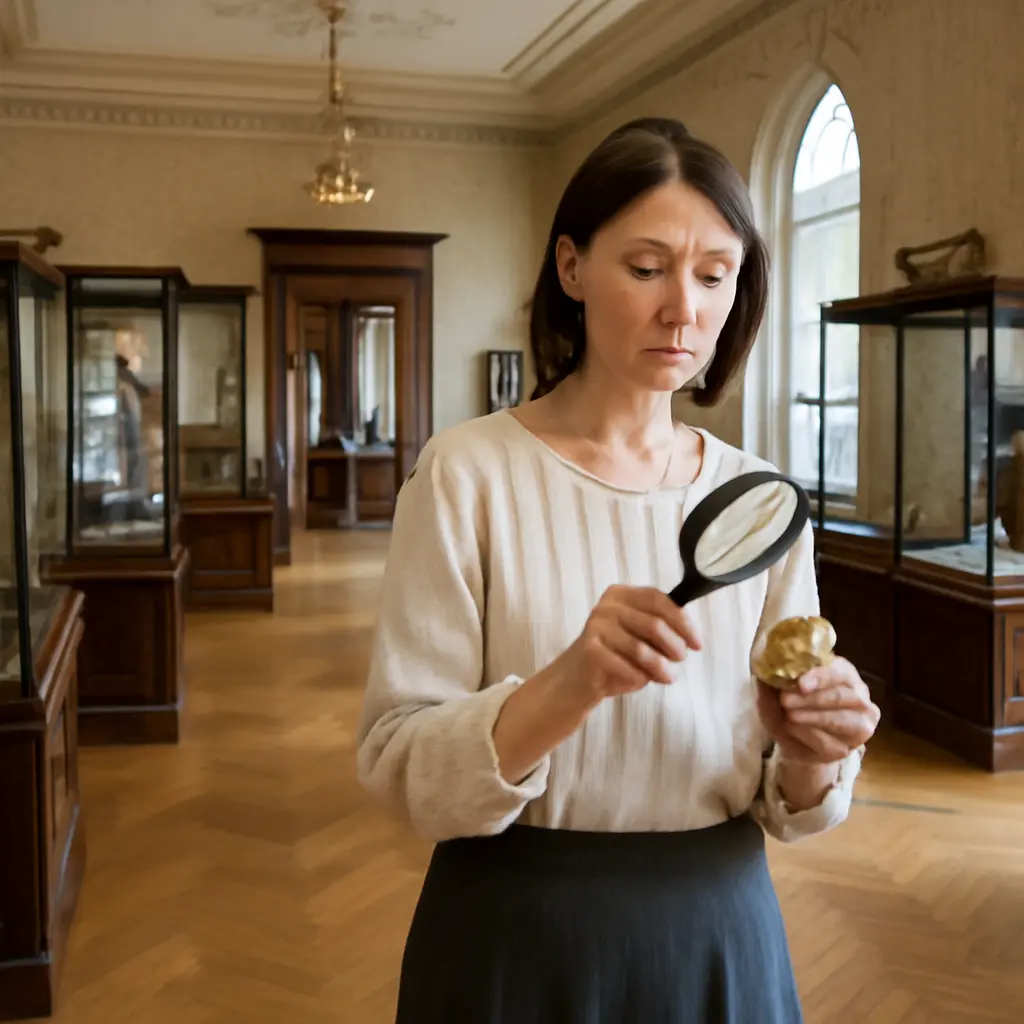
The symbolism of a vintage object is best interpreted by combining visual clues with historical evidence. Motifs can suggest a likely meaning, but inscriptions, provenance, maker’s marks, materials, and the object’s original use can confirm or complicate that reading. For example, a locket containing hair may be a mourning keepsake, but it could also preserve a living loved one’s hair as a token of affection.
- Identify the object’s date, materials, and method of manufacture.
- Look for names, dates, inscriptions, portraits, or evidence of hairwork.
- Compare floral or decorative motifs with more than one period source.
- Consult museum catalogues and provenance records rather than relying on modern symbol lists alone.
- Separate a documented historical convention from an interpretation based on personal association.
This approach also guards against flattening the Victorian era into a single set of rules. A symbol’s meaning could shift between regions, publications, social groups, and individual relationships. The most persuasive interpretation is therefore one that explains both the object’s visual language and the evidence surrounding it.
Conclusion: the enduring romance of Victorian design
Victorian design made emotion visible through floriography, sentimental jewelry, mourning keepsakes, and decorative interiors. Flowers could offer a coded message, lockets could hold intimate tokens, hairwork could preserve memory, and household ornament could shape a sense of home. Yet these meanings were flexible, not universal: an object’s history and use matter as much as its motif.
To explore the subject further, compare digitized flower books with museum collections, examine inscriptions and provenance on surviving objects, and treat popular symbol charts as starting points rather than final answers. Doing so reveals not only the romance hidden inside vintage designs, but also the social history of how people expressed affection, identity, and grief.
Sources: Victoria and Albert Museum, “The Great Exhibition,” https://www.vam.ac.uk/articles/the-great-exhibition; Office for National Statistics, “170 Years of Industrial Change across England and Wales,” https://www.ons.gov.uk/peoplepopulationandcommunity/populationandmigration/populationestimates/articles/170yearsofindustrialchangeacrossenglandandwales/2011-09-02; Victoria and Albert Museum, “Fashion and Textiles: Jewellery,” https://www.vam.ac.uk/collections/jewellery; Victoria and Albert Museum, “Owen Jones and The Grammar of Ornament,” https://www.vam.ac.uk/articles/owen-jones-and-the-grammar-of-ornament; British Library, “Discovering Literature: Romanticism,” https://www.bl.uk/romantics-and-victorians; Charlotte de Latour, Le Langage des Fleurs, 1819.